
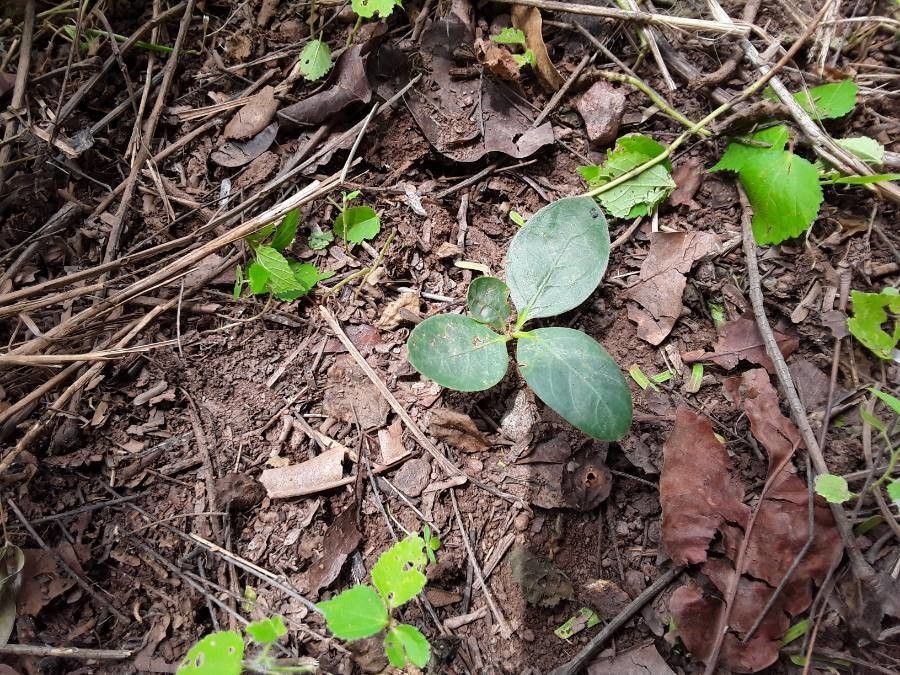
Taming the Tendrils: A Guide to Propagating the Intriguing Raphionacme vignei
The world of succulents holds a dazzling diversity of forms, but few are as captivating as Raphionacme vignei. This intriguing plant, also known as the “Snake Vine” or “Swallow Root,” hails from the arid regions of Southern Africa and boasts peculiar, snake-like stems that scramble and climb, their emerald green punctuated by delicate, star-shaped flowers. If you’re lucky enough to have a plant but wish to welcome more of these botanical oddities into your life, propagating Raphionacme vignei is a rewarding endeavor.
Unveiling the Secrets: Methods for Success
Raphionacme vignei can be propagated through two primary methods:
1. Seed Propagation: A Test of Patience
While rewarding, seed propagation requires a good dose of patience and a touch of green-thumb magic:
- Source your seeds: Seeds can be notoriously difficult to find commercially. Your best bet is to join succulent enthusiast groups online or to try your luck at specialized nurseries.
- Prepare your seedbed: Utilize a well-draining soil mix specifically designed for cacti and succulents.
- Sow with care: Sow the seeds superficially, pressing them gently onto the soil surface. Mist lightly and cover the container with a plastic dome or wrap to maintain humidity.
- Patience is key: Place the container in a bright, warm location, out of direct sunlight. Germination can be erratic, taking anywhere from a few weeks to several months.
- Nurture the seedlings: Once the seedlings emerge, gradually acclimate them to drier conditions by reducing watering frequency.
2. Stem Cuttings: A Faster Route to Success
This method is generally more successful and less time-consuming:
- Timing is everything: The active growing season, spring or early summer, is the ideal time to take cuttings.
- Choose wisely: Select healthy, robust stems for your cuttings.
- Make the cut: Using a clean, sharp knife or pruning shears, take cuttings at least 3-4 inches long. Allow the cut end to callus over for a few days in a dry, shaded location.
- Ready for planting: Dip the callused end in rooting hormone (optional but beneficial) and plant the cutting in a well-draining mix.
- Maintain moisture: Keep the soil lightly moist but avoid overwatering, which can lead to rot.
- Brighter days ahead: Place the pot in a bright location, out of direct sunlight. Roots should develop within a few weeks.
Nurturing Your New Additions
Whether you choose seed or stem propagation, providing the optimal environment is crucial for your new Raphionacme vignei plants:
- Well-Draining Soil: This is non-negotiable for these succulents. A mix designed for cacti and succulents is ideal.
- Light and Location: Bright, indirect light is best. Avoid prolonged exposure to direct sunlight, which can scorch the stems.
- Watering Wisely: Allow the soil to dry out completely between waterings. Overwatering is a quick way to spell disaster.
- Fertilize Sparingly: During the growing season, fertilize lightly with a balanced, diluted fertilizer once a month.
Propagating Raphionacme vignei might require a bit of extra care, but the reward of witnessing these fascinating plants multiply is well worth the effort. With patience and attention to detail, you can soon have a captivating collection of “Snake Vines” gracing your home.