
Propagating Asplenium blepharophorum: Challenges and Rewards of Cultivating the Bristly Bird’s Nest Fern
Introduction
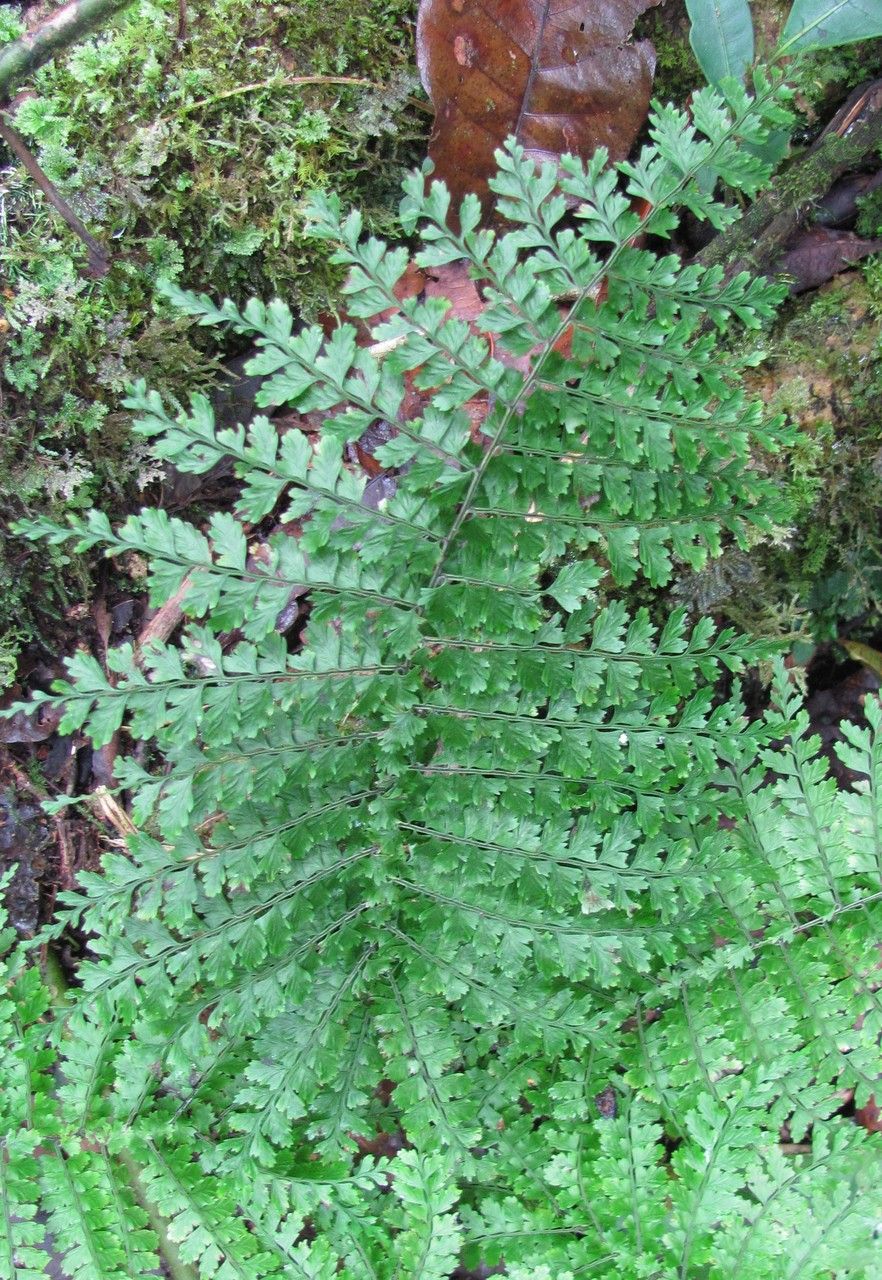
Asplenium blepharophorum, commonly known as the Bristly Bird’s Nest Fern, is a captivating epiphytic fern prized for its unique, textured fronds. Its dark green, lanceolate leaves, adorned with bristly hairs along the margins, create a visually striking display that lends itself well to both terrariums and hanging baskets. While its captivating appearance makes it a popular choice among fern enthusiasts, propagating Asplenium blepharophorum can present distinct challenges. This article explores various propagation methods, outlining their viability, difficulties, and potential rewards.
Seed Germination
Currently, there are no known reliable methods for seed germination propagation of Asplenium blepharophorum. Spore production in many Asplenium species is often inconsistent and even when spores are produced, their germination rates are notoriously low and require highly specialized conditions often not easily replicated in home settings.
Cuttings
Cuttings are not a viable method for propagating Asplenium blepharophorum. Ferns, unlike many flowering plants, do not readily regenerate from stem or leaf cuttings.
Division
Division is the most common and successful method for propagating Asplenium blepharophorum. It involves carefully separating the plant into smaller sections, each containing sufficient roots and fronds.
Challenges: The main challenge lies in carefully separating the rhizomes without damaging them. Overly aggressive separation can lead to plant death. The process also requires a delicate touch to avoid damaging the fragile fronds.
Practical Tips: The best time for division is during the active growing season (spring or early summer). Gently loosen the soil around the rhizomes and use a sharp, clean knife or shears to separate the plant into sections, ensuring each section has a healthy portion of roots and several fronds. Pot each division into a well-draining potting mix suitable for epiphytes, ensuring each division has adequate space to establish itself.
- Rewards: Division offers a relatively straightforward method for increasing the number of plants, ensuring genetic consistency and resulting in relatively quick establishment of new plants.
Tissue Culture
Tissue culture offers the potential for large-scale propagation of Asplenium blepharophorum and can overcome some of the limitations associated with division.
Challenges: Tissue culture requires specialized equipment, sterile conditions, and a detailed understanding of plant tissue culture techniques. It is a complex, time-consuming, and costly method best suited for commercial propagation or experienced hobbyists with access to the necessary resources.
Practical Tips: Establishing a sterile workspace, using appropriate media and growth regulators, is critical. Detailed protocols are available from university research labs or specialized suppliers.
- Rewards: Tissue culture allows for the production of a large number of genetically identical plantlets, which is particularly useful for preserving rare or desirable cultivars.
Conclusion
Propagating Asplenium blepharophorum presents unique challenges. While seed germination and cuttings are not viable, division provides a relatively accessible method albeit requiring patience and gentle handling. Tissue culture is a viable method for commercial or exceptionally dedicated enthusiasts, but presents a high degree of complexity. The rewards, however, far outweigh the effort. Successfully propagating this beautiful fern, whether through division or tissue culture, brings a profound sense of accomplishment and allows you to share the beauty of the Bristly Bird’s Nest Fern with others. For beginners, mastering the art of division is a rewarding first step in cultivating this captivating plant. Don’t be discouraged by the challenges; the unique texture and beauty of the Asplenium blepharophorum make the journey well worth the effort.