
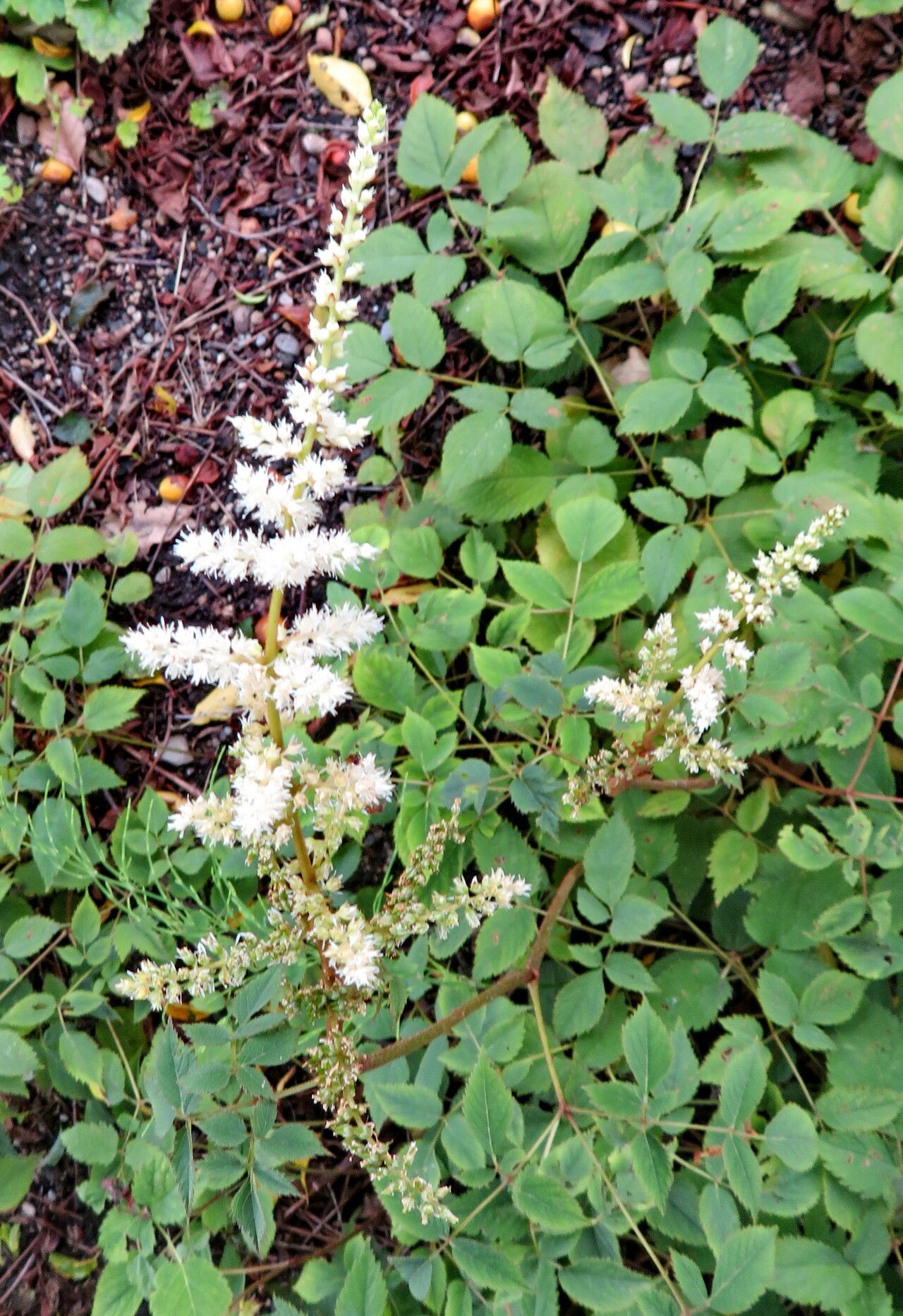
Propagating Astilbe grandis: The Giant Astilbe Challenge
Introduction:
Astilbe grandis, also known as the giant astilbe, is a striking perennial prized for its impressive size and feathery plumes of flowers, typically white or pale pink. Native to the forests of western China, it commands attention in gardens with its imposing height and graceful form. Its robust nature and unique beauty make it a desirable addition to any shade garden, but its propagation presents some intriguing horticultural challenges. While popular amongst gardeners, achieving successful propagation of Astilbe grandis requires careful consideration of several methods.
Seed Germination:
Currently, there are no known reliable methods for seed germination propagation of Astilbe grandis. While seeds may be produced, germination rates are notoriously low, even under ideal conditions. The seed’s dormancy requirements are poorly understood, and successful germination remains elusive for most hobbyists and even many professionals.
Cuttings:
Challenges: Propagating Astilbe grandis from cuttings is difficult. Stem cuttings are not easily rooted. The success rate is generally low unless specialized techniques and growth hormones are employed.
Practical Tips: Softwood cuttings taken in early summer, treated with rooting hormone, and kept under high humidity in a propagator might yield some success. However, even with these measures, the rooting process can be slow and unpredictable.
Rewards: If successful, cuttings provide a way to quickly increase the number of plants that are genetically identical to the parent plant, preserving desirable traits.
Division:
Challenges: Division is the most reliable and practical method for propagating Astilbe grandis. However, it requires established, mature plants and careful handling to avoid damaging the delicate root system. The plant must be sufficiently large to allow for the division without weakening it too much.
Practical Tips: The best time to divide is in early spring or autumn. Dig up the entire clump carefully, and divide it into sections, ensuring that each section has healthy roots and several growing points. Replant the divisions immediately, providing consistent moisture.
Rewards: Division offers the highest success rate and is relatively straightforward for experienced gardeners. It allows for the efficient multiplication of desirable plants without the complexities of other methods.
Tissue Culture:
Challenges: Tissue culture is a highly specialized technique requiring sterile conditions, specialized equipment, and a deep understanding of plant tissue biology. This method is not readily accessible to home gardeners.
Practical Tips: This method, while potentially highly effective for large-scale propagation, requires significant investment in equipment and expertise. It’s best left to commercial nurseries or research facilities.
Rewards: Tissue culture offers the potential for rapid multiplication of Astilbe grandis, producing many genetically identical plants in a short time. It is also useful for the propagation of plants from rare or endangered specimens where other methods may fail.
Conclusion:
Propagating Astilbe grandis presents challenges across all methods. While seed germination is currently impractical, division offers the most reliable approach for home gardeners. Cuttings are possible but require patience and skill, while tissue culture is a highly specialized technique. The rewards, however, are significant. Successfully propagating this magnificent plant, whether through division or, with perseverance, cuttings, offers a deep satisfaction – a testament to patience and horticultural skill. The unique beauty and imposing presence of Astilbe grandis in the garden make the effort worthwhile. Don’t be discouraged by the initial difficulties; the joy of nurturing a new Giant Astilbe from a division or a successfully rooted cutting is a rewarding experience for any gardener who dares to undertake the challenge.