
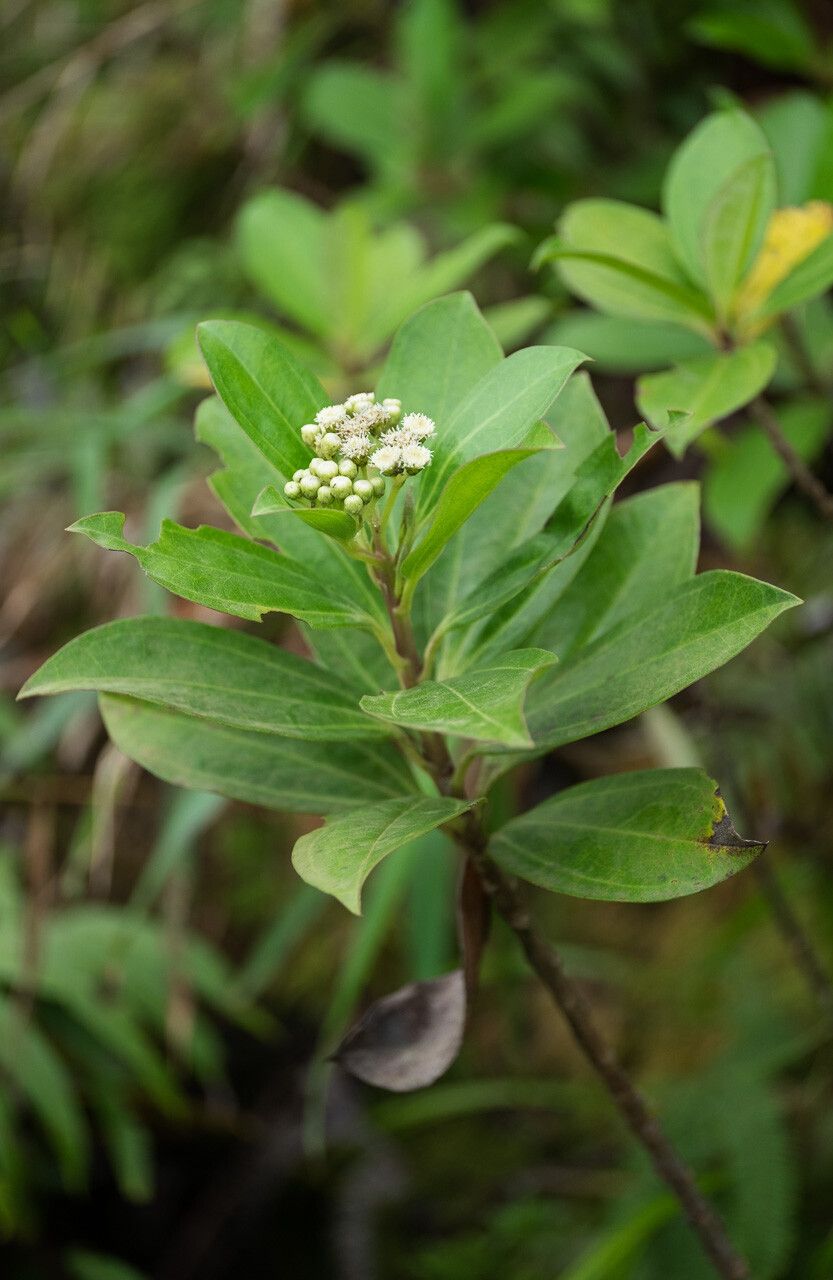
Propagating Baccharis pedunculata: Mastering the Plentiful Plumerillo
Baccharis pedunculata, commonly known as "Plumerillo," is a captivating South American shrub prized for its delicate, silvery foliage and profusion of small, white flowers. Its airy appearance and drought tolerance make it a popular choice among gardeners seeking low-maintenance, attractive landscaping options. However, propagating this charming plant can present some unique challenges, making the successful cultivation all the more rewarding. This article explores various propagation methods for Baccharis pedunculata, weighing their viability and offering practical guidance.
Seed Germination:
Currently, there are no known reliable methods for seed germination propagation of Baccharis pedunculata. While the plant does produce seeds, their germination rate is notoriously low, and successful germination under controlled conditions has not been widely documented. Further research into specific germination requirements, such as light exposure, temperature, and pre-treatment methods like scarification or stratification, may be necessary to determine the feasibility of seed propagation.
Cuttings:
Cuttings offer a significantly more reliable method for propagating Baccharis pedunculata.
Challenges: While relatively straightforward, success depends on timing and technique. The ideal time for taking cuttings is during the plant’s active growing season (spring or early summer).
Practical Tips: Take semi-hardwood cuttings approximately 4-6 inches long, removing lower leaves to prevent rot. Dip the cut ends in rooting hormone powder to stimulate root development. Plant the cuttings in a well-draining propagation mix (e.g., perlite and peat moss) and maintain consistently moist conditions but avoid overwatering. High humidity, provided by a plastic cover or humidity dome, significantly enhances rooting success.
Rewards: Cuttings offer a reliable means of multiplication, preserving the genetic characteristics of the mother plant. This is particularly useful for propagating superior cultivars or plants with desirable traits.
Division:
Division is another feasible method, best suited for established, larger plants.
Challenges: Care must be taken to avoid damaging the root system during division. The plant’s root system is relatively extensive and fragile.
Practical Tips: Dig up the mature plant carefully, and divide it into sections, ensuring each section has a healthy portion of roots and stems. Replant the divisions immediately, ensuring adequate spacing and watering. This method is best undertaken during the dormant season or early spring.
Rewards: Division is a relatively quick and easy way to propagate several plants from a single mature specimen.
Tissue Culture:
Tissue culture offers the potential for large-scale propagation, creating numerous identical plants from a small sample of plant tissue.
Challenges: This method requires specialized equipment, sterile conditions, and a thorough understanding of plant tissue culture techniques. It is typically more complex and expensive than other methods.
Practical Tips: This technique warrants using a laboratory setting and experienced technicians due to the aseptic requirements. Growth regulators, such as auxins and cytokinins, will be necessary to promote shoot proliferation and root development in the sterile environment.
Rewards: Mass production of genetically identical plants, ideal for commercial propagation or conservation efforts.
Conclusion:
Propagating Baccharis pedunculata presents unique challenges across all methods. While seed germination remains problematic, cuttings and division offer reliable approaches for the home gardener. Tissue culture, though complex, provides the potential for large-scale propagation. The rewards, however, are well worth the effort. Successfully nurturing a new Plumerillo from a cutting, a division, or even mastering the intricacies of tissue culture, provides a deep sense of satisfaction, a testament to perseverance and the joy of cultivating this beautiful, resilient plant. Don’t be discouraged by initial setbacks; experiment with the methods outlined above, adapt your techniques, and enjoy the journey of bringing more of this delightful shrub into your garden or community.