
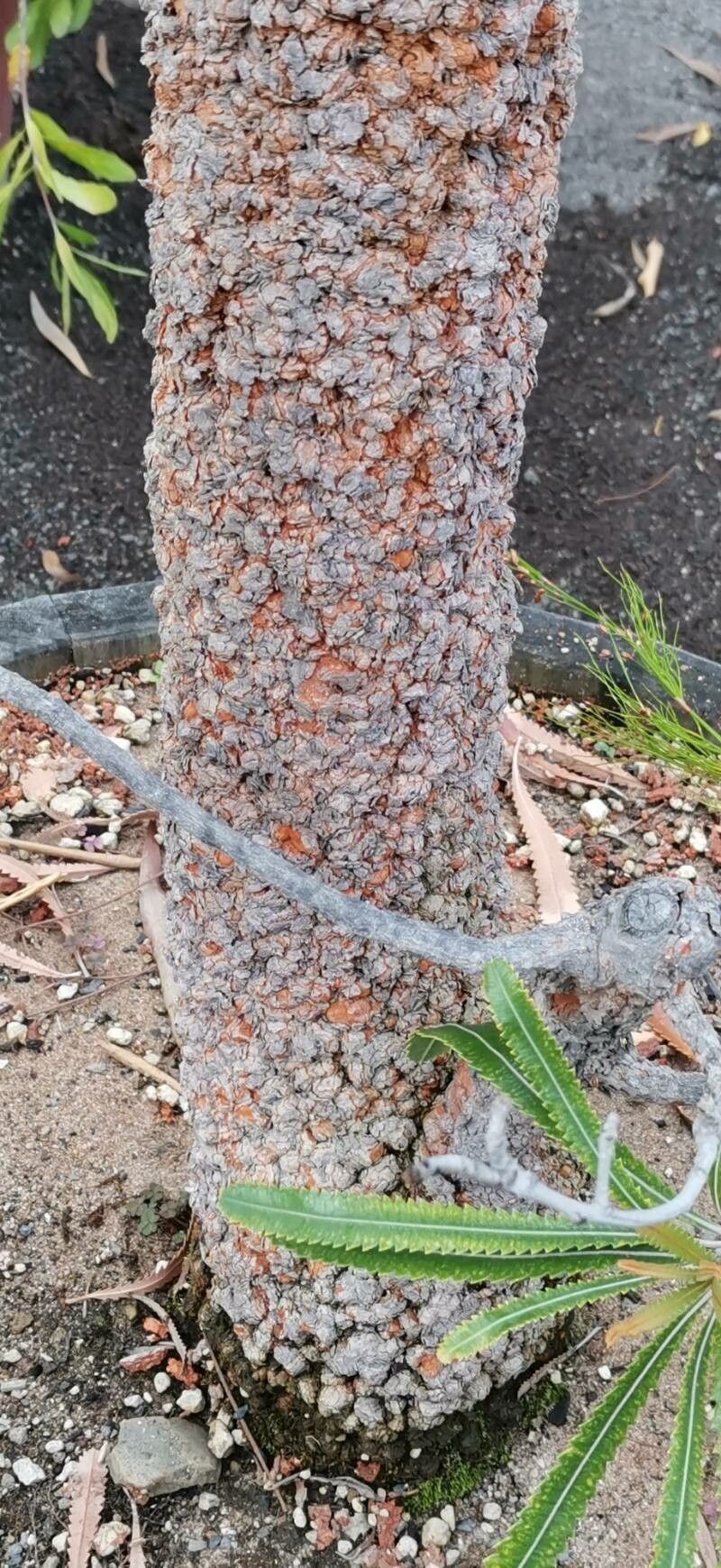
Propagating the Coast Banksia (Banksia aemula): A Gardener’s Guide
Introduction:
Banksia aemula, commonly known as the Coast Banksia, is a striking Australian native shrub renowned for its elegant, creamy-yellow flower spikes and attractive silvery-grey foliage. Its adaptability to coastal conditions and relatively low maintenance requirements have made it a popular choice amongst gardeners, both in Australia and internationally. However, propagating Coast Banksia can present some challenges, requiring a nuanced understanding of its propagation methods. The unique aspects of its propagation stem from its relatively slow growth rate and the seed’s somewhat unpredictable germination.
Seed Germination:
Seed germination is a viable method for propagating Banksia aemula, but it’s not without its difficulties. The primary challenge lies in breaking the seed’s dormancy. Coast Banksia seeds possess a hard seed coat that impedes water uptake. This necessitates a pre-treatment process known as stratification. This involves mimicking natural conditions experienced by seeds in the wild.
Challenges: Inconsistent germination rates are common, even with proper stratification. Seed viability also declines rapidly after collection, so using fresh seed is crucial.
Practical Tips: The most effective stratification method involves soaking the seeds in warm water for 24 hours, followed by a period of cold stratification (placing them in moist vermiculite or a similar medium in a refrigerator at 4°C for 4-6 weeks). After stratification, sow the seeds in a well-draining seed-raising mix, keeping the mix consistently moist but not waterlogged. Germination can take several weeks to several months.
Rewards: Successful seed propagation offers the benefit of increased genetic diversity within your collection compared to propagation via cuttings. This enhances the overall resilience of the population. It’s also a potentially cost-effective method for large-scale propagation.
Cuttings:
Propagating Coast Banksia from cuttings is a more reliable method than seed germination, though still requires some skill and patience.
Challenges: Hardwood cuttings rooted poorly, so semi-hardwood or softwood cuttings are preferred, taken from new growth in spring or summer. Also, rooting hormones and a high-humidity environment are necessary for success.
Practical Tips: Take cuttings of approximately 10-15cm length, removing the lower leaves to prevent rot. Dip the base of the cutting in rooting hormone and plant them in a well-draining mix, such as a mix of perlite and peat moss. Cover the cuttings with a humidity dome or plastic bag to maintain high humidity. Consistent watering and a warm, bright (but not direct sun) location are crucial for successful rooting. It may take several months for roots to develop.
Rewards: Cuttings offer a faster way to produce a plant that is genetically identical to the parent plant, preserving desirable traits.
Division:
Division is generally not a viable method for propagating Banksia aemula. Coast Banksia does not readily form suckers or offsets that can be easily divided.
Tissue Culture:
Tissue culture is a technically demanding method, but potentially highly effective for mass propagation of Banksia aemula.
Challenges: This method requires specialized equipment, sterile conditions, and specific expertise in plant tissue culture techniques. It’s not suitable for the home gardener.
Practical Tips: This method is best left to professionals in a laboratory setting.
Rewards: Tissue culture offers the potential for rapid and large-scale propagation, generating many genetically identical plants from a single parent.
Conclusion:
Propagating Banksia aemula presents a unique set of challenges, with seed germination offering genetic diversity but low predictability and cuttings providing reliability but requiring specific techniques. Division is generally impossible, and tissue culture is best left to professionals. The rewards of successfully culminating in a healthy Coast Banksia plant, however, are well worth the effort. The satisfaction of nurturing a seedling from seed or a cutting to maturity provides a deep connection to the natural world and a great sense of accomplishment. Don’t be discouraged by initial setbacks; persistence and careful adherence to the techniques discussed will eventually lead to success in propagating this beautiful Australian native. Remember that patience is key when working with Banksia.