
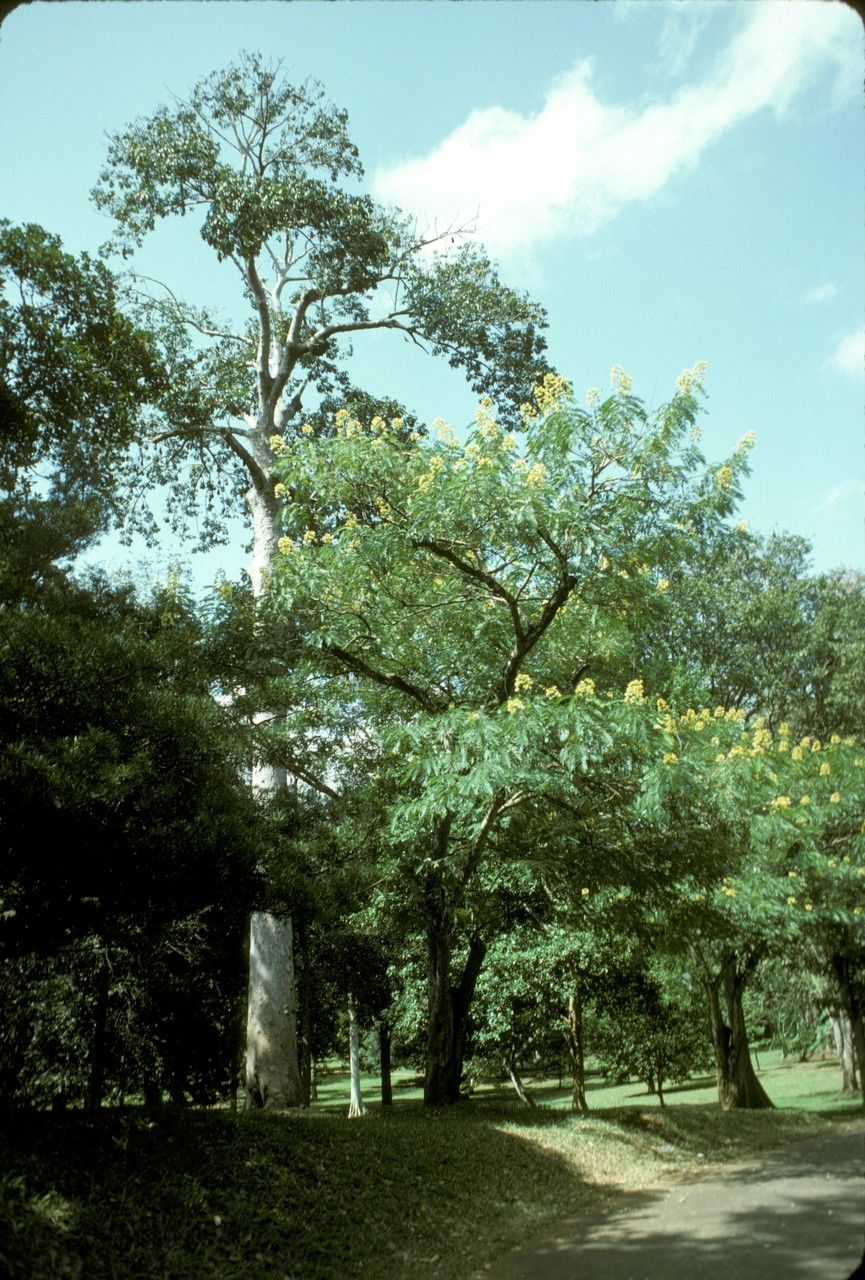
Propagating the Black Dammar: Unveiling the Secrets of Canarium bengalense
Introduction
Canarium bengalense, commonly known as the Black Dammar, is a captivating tropical tree prized for its valuable resin and attractive foliage. Belonging to the Burseraceae family, this species boasts glossy, leathery leaves and produces edible nuts, although primarily cultivated for its resin used in incense and varnish. While its horticultural significance is growing, its propagation remains somewhat challenging, demanding a nuanced understanding of its specific needs. Its popularity among dedicated gardeners stems from its unique aesthetic qualities and the allure of cultivating a plant with such a rich history and diverse uses. The relatively low success rate with some propagation methods adds to the sense of accomplishment for successful growers.
Seed Germination
Seed germination is a viable, albeit challenging, method for propagating Canarium bengalense. The primary challenges lie in overcoming seed dormancy and ensuring adequate moisture and temperature conditions. Seeds from ripe fruits should be extracted and cleaned thoroughly.
Challenges: The hard seed coat often inhibits germination. Pre-soaking in warm water for 24-48 hours can help soften the coat. Furthermore, the seeds require a period of stratification – ideally, a cool, moist stratification for 2-3 months in a refrigerator (around 4°C). This mimics the natural conditions that trigger germination.
Practical Tips: Sow the stratified seeds in a well-draining seed-starting mix, maintaining consistently moist (but not waterlogged) conditions. A warm environment (25-30°C) is ideal for germination. Maintain high humidity, for instance, using a plastic dome or propagator. Seedlings should emerge within 1-3 months, depending on the seed quality and stratification duration.
Rewards: Successful seed germination offers the significant advantage of genetic diversity, providing a broader range of adaptability and resilience in the resulting plants. It also allows for large-scale propagation, making it a cost-effective option for commercial cultivation.
Cuttings
Propagation through cuttings is generally less successful for Canarium bengalense compared to seed propagation.
Challenges: The hardwood nature of the stems makes rooting cuttings difficult without the use of rooting hormones and specialized propagation techniques. High humidity is essential.
Practical Tips:Semi-hardwood cuttings taken in late spring or early summer may yield some success. Dipping the cut ends in rooting hormone can significantly improve the chances of rooting. Use a well-draining potting mix and keep the cuttings under high humidity conditions (utilizing a misting system or humidity dome).
Rewards: Though less reliable than seeds, successful propagation from cuttings can expedite the growing process, quickly producing plants with the characteristics of the parent tree.
Division
Division is not a viable propagation method for Canarium bengalense. This species does not naturally form readily separable divisions suitable for propagation.
Tissue Culture
Tissue culture offers a promising method for large-scale, controlled propagation of Canarium bengalense, though it requires specialized equipment, expertise, and laboratories.
Challenges: Establishing sterile cultures and optimizing the growth medium are technical hurdles for successful tissue culture. Detailed protocols specific to Canarium bengalense are likely limited in availability.
Practical Tips: Specialized knowledge in plant tissue culture is essential. This method requires a controlled environment with sterile procedures and optimized nutrient media, making it the most technically advanced method.
Rewards: Tissue culture provides the highest potential for mass production of uniform, disease-free plants, ideal for commercial purposes or conservation efforts.
Conclusion
Propagating Canarium bengalense presents a unique set of challenges, varying across different methods. While seed germination offers genetic diversity and large-scale potential, it often necessitates patience and careful management of environmental conditions. Cuttings, though less reliable, provide a faster path to mature plants. Tissue culture offers the greatest scale but requires specialized expertise and infrastructure. Regardless of the method, successfully cultivating this fascinating species offers a rewarding experience that truly highlights the dedication and skill of the propagator. The satisfaction of nurturing a Black Dammar tree from seed or cutting, especially given the difficulty, is a testimony to the perseverance and passion of the gardener, echoing the tree’s own resilience. For aspiring propagators, remember that patience and a willingness to experiment are key. Start with seeds—it is the most achievable method for the amateur—and don’t be discouraged by initial setbacks. The rewards of successfully growing this unique tree far outweigh the challenges.