
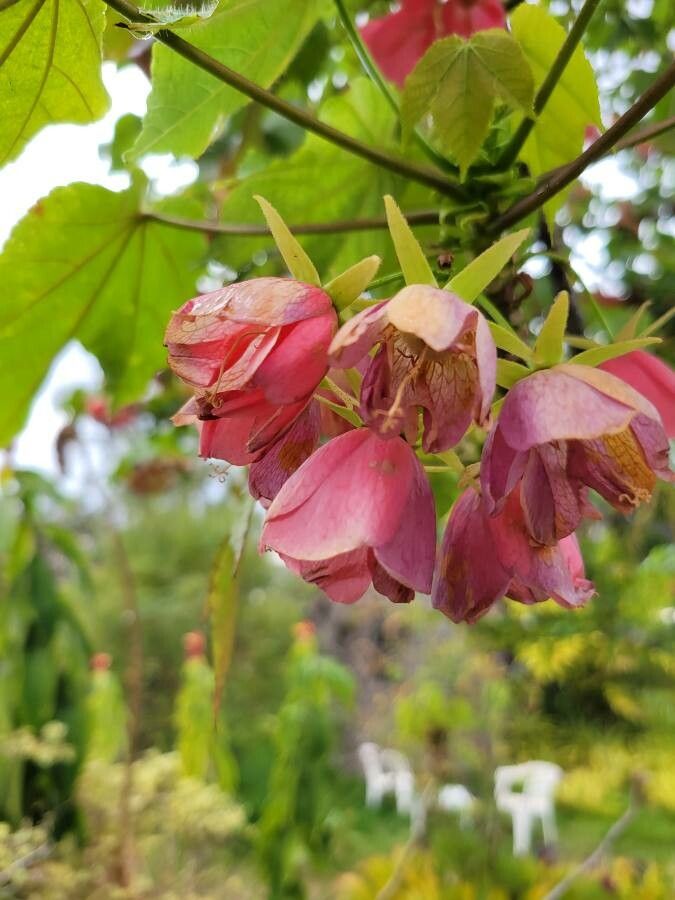
Propagating the Elegant Dombeya: A Gardener’s Guide to Dombeya elegans
Dombeya elegans, also known as the elegant dombeya or scarlet dombeya, is a captivating shrub or small tree prized for its spectacular clusters of delicately pink or rose-colored flowers. Native to Madagascar, this plant boasts a graceful habit and long flowering periods, making it a highly sought-after addition to gardens in suitable climates. Its popularity among gardeners is fueled by its beauty and relative ease of cultivation, although propagation can present unique challenges. This article explores various methods for propagating Dombeya elegans, weighing the rewards against the difficulties involved.
Seed Germination:
Currently, there are no known reliable methods for seed germination propagation of Dombeya elegans. While seeds may be produced, their viability is notoriously low, and successful germination rates are extremely rare under even optimal conditions. Therefore, relying on seed propagation for this species is not recommended.
Cuttings:
Cuttings represent a significantly more successful method for propagating Dombeya elegans.
Challenges: The success rate depends heavily on utilizing fresh, healthy cuttings and employing appropriate techniques. Hardwood cuttings are generally preferred, but semi-hardwood cuttings can also be attempted. Rot is a significant risk, especially in humid conditions.
Practical Tips: Take cuttings in late summer or early autumn from non-flowering stems. Cuttings should be 4-6 inches long, with a clean cut at the base. Remove lower leaves to prevent rot. Dip the cut ends in rooting hormone powder before planting them in a well-draining medium, such as a mix of perlite and vermiculite. Maintain high humidity by covering the cuttings with a plastic bag or cloche. Regular misting helps prevent desiccation. Propagation under a mist propagation system is highly beneficial.
Rewards: Cuttings offer a quicker path to producing flowering plants compared to other methods, maintaining the genetic characteristics of the parent plant. This allows for efficient propagation of desirable cultivars.
Division:
Division is feasible for Dombeya elegans, though it’s limited to established, larger plants.
Challenges: This method is disruptive to the parent plant and requires careful handling to avoid damaging the root system. Success hinges on dividing the plant during its dormant period and ensuring each division receives sufficient roots and healthy stems.
Practical Tips: Divide the plant in late winter or early spring, during its less active growing phase. Ensure each division retains a healthy root system and several active growing points. Replant promptly in well-draining soil and water thoroughly.
Rewards: Division provides a relatively easy way to increase the number of plants, without the complexities or costs associated with other methods, especially for gardeners already possessing a mature specimen.
Tissue Culture:
Tissue culture offers a sophisticated, high-volume propagation method for Dombeya elegans.
Challenges: This technique requires specialized equipment, sterile conditions, and expertise in plant tissue culture techniques. Access to a laboratory setting and the necessary media is crucial, making it often less suitable for home gardeners.
Practical Tips: Sterile techniques are paramount. Explant selection, media composition, and growth regulation are crucial factors for success. Professional assistance is usually required.
Rewards: Tissue culture allows for rapid and large-scale production of genetically identical plants, ideal for commercial nurseries or research purposes. This ensures uniform growth and high-quality stock.
Conclusion:
Propagating Dombeya elegans presents varying degrees of challenge depending on the chosen method. While seed germination remains impractical, cuttings offer a viable and relatively accessible path, albeit requiring patience and attention to detail. Division is a reasonable option for established plants, while tissue culture is predominantly a commercial, high-volume technique. The rewards, however, are well worth the effort. The unique beauty of this plant and the satisfaction of nurturing a cutting into a thriving, flowering shrub provide a significant sense of accomplishment. Don’t be discouraged by initial setbacks; persevere with the cutting method, and the elegant blooms of your Dombeya elegans will richly reward your dedication.