
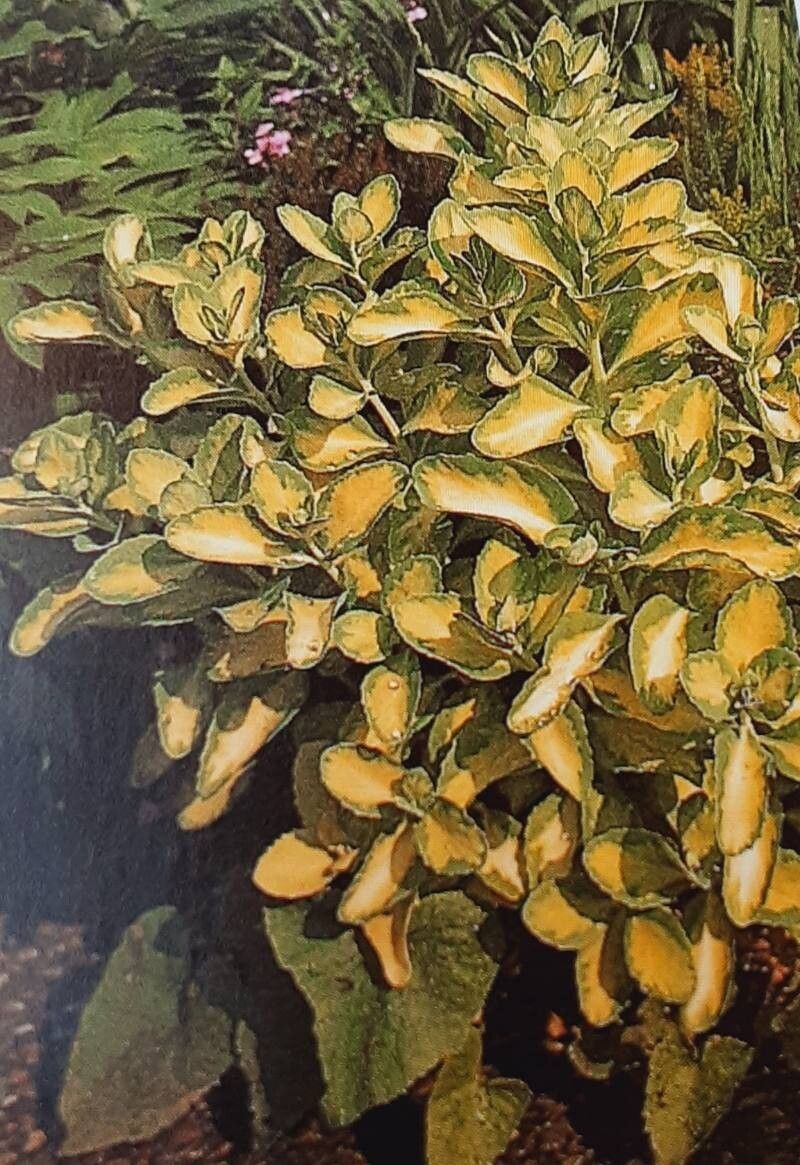
Propagating Hylotelephium erythrostictum: A Gardener’s Guide
Introduction:
Hylotelephium erythrostictum, also known as the red-spotted stonecrop, is a captivating succulent prized for its striking foliage. Its fleshy, ovate leaves are adorned with characteristic reddish-purple spots, providing a unique textural and visual appeal in gardens and containers. Its relatively low maintenance needs and attractive late-summer blooms contribute to its increasing popularity among gardeners. However, propagation can present some challenges, warranting a closer look at the available techniques.
Seed Germination:
Currently, there are no known reliable methods for seed germination propagation of Hylotelephium erythrostictum. While the plant does produce seeds, their germination rate is notoriously low, and successful propagation from seed is rarely reported. Further research into specific germination requirements may be needed to establish a viable seed propagation technique.
Cuttings:
Cuttings represent a reliable and widely used method for propagating Hylotelephium erythrostictum.
- Challenges: While relatively straightforward, success depends on proper timing and technique. Rotting is a potential issue if cuttings aren’t allowed to callus properly before planting.
- Practical Tips: Take stem cuttings of approximately 4-6 inches long in late spring or early summer. Allow the cut ends to callus over for a few days in a dry, shaded location. Plant the cuttings in well-draining succulent potting mix, ensuring only the lower portion is buried. Keep the cuttings slightly moist but not waterlogged until rooting occurs (typically 2-4 weeks). Using a rooting hormone can improve success rates.
- Rewards: Cuttings offer a relatively quick and easy way to increase the number of plants. They also ensure that the new plants are genetically identical to the parent plant, preserving desirable traits.
Division:
Division is another highly effective method for propagating established Hylotelephium erythrostictum plants.
- Challenges: This method is only applicable to mature, well-established plants. Care must be taken to avoid damaging the roots during division.
- Practical Tips: In the spring or fall, carefully dig up the mature plant. Using a sharp, clean knife or trowel, divide the root system into smaller sections, ensuring each section has sufficient roots and stems. Replant the divisions immediately into well-prepared soil, ensuring adequate spacing.
- Rewards: Division provides a rapid way to increase the number of plants and results in mature plants quickly. It’s generally less technically demanding than other methods.
Tissue Culture:
Tissue culture propagation is a more advanced technique, requiring specialized equipment and expertise.
- Challenges: This method requires a controlled laboratory setting and sterile procedures. It’s more expensive and time-consuming than cuttings or division. Obtaining sterile plant material is crucial to avoid contamination.
- Practical Tips: Sterile plant material (from meristematic tissue) is cultured on a nutrient-rich agar medium under controlled environmental conditions. Once sufficient growth is achieved, plantlets are transferred to a propagation environment prior to acclimatizing to a greenhouse setting. This process requires considerable specialized knowledge and equipment.
- Rewards: Tissue culture offers the potential for large-scale propagation, producing a high number of genetically identical plants quickly. It also presents opportunities for disease elimination and the preservation of rare varieties.
Conclusion:
Propagating Hylotelephium erythrostictum presents a range of challenges and rewards depending on the chosen method. While seed germination remains unreliable, cuttings and division offer readily accessible and successful techniques for most gardeners. Tissue culture provides a more advanced option for large-scale propagation but requires specialized knowledge and facilities. The unique satisfaction of successfully cultivating this beautiful plant, especially after overcoming the hurdles involved in propagating it, is a testament to the gardener’s dedication and skill. Don’t be discouraged by initial setbacks; experiment with cuttings and division to enjoy the rewards of propagating your own stunning Hylotelephium erythrostictum.