
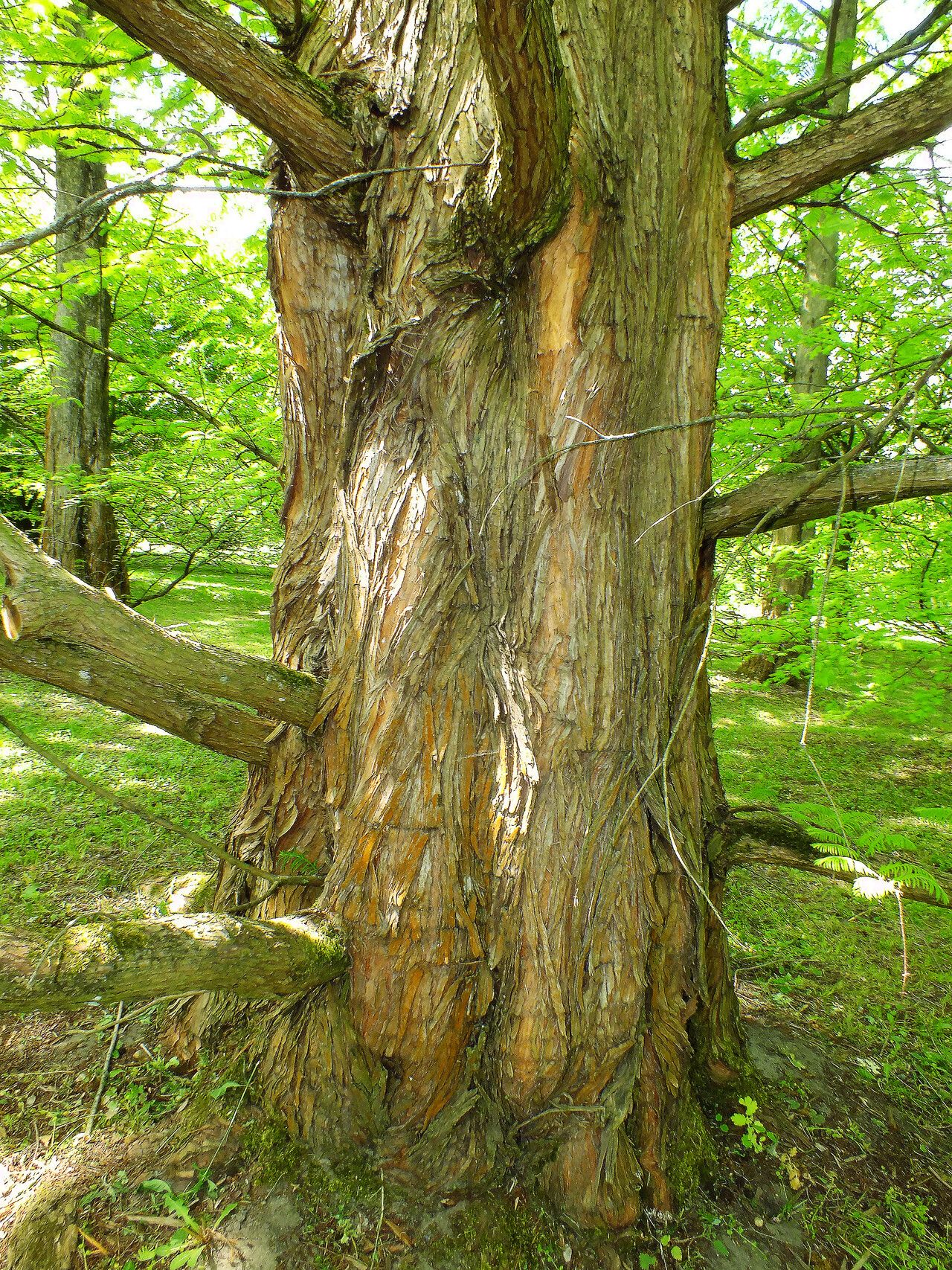
Propagating the Dawn Redwood: A Gardener’s Guide to Metasequoia glyptostroboides
Metasequoia glyptostroboides, commonly known as the dawn redwood, is a majestic deciduous conifer renowned for its feathery foliage, rapid growth, and strikingly beautiful autumnal coloration. Its unique status as a “living fossil,” once believed extinct until its rediscovery in China, adds to its horticultural significance and widespread popularity among gardeners. Propagating this impressive tree, however, presents certain challenges, making successful cultivation all the more rewarding. This article explores various propagation methods for Metasequoia glyptostroboides, weighing their viability and outlining practical steps for success.
Seed Germination:
Seed germination is a viable method for propagating Metasequoia glyptostroboides, although it presents some challenges. The seeds, while relatively easy to obtain from mature trees, possess a period of dormancy that needs to be overcome before germination.
Challenges: The primary challenge is achieving consistent germination rates. Freshly collected seeds often have low germination percentages.
Practical Tips: Stratification is crucial. Seeds benefit from a period of cold, moist stratification (approximately 3-4 months at temperatures between 2-5°C). This can be achieved by mixing seeds with moist peat moss or vermiculite in a sealed container and storing it in the refrigerator. Sow the stratified seeds in a well-draining seed-starting mix, keeping the soil consistently moist but not waterlogged. Germination typically occurs within a few weeks to a couple of months after stratification.
Rewards: Seed propagation offers the advantage of genetic diversity, resulting in a wider range of phenotypes compared to cloning methods. This allows for the potential selection of superior individuals with improved characteristics. It also offers the possibility of large-scale propagation for reforestation or landscaping projects.
Cuttings:
While possible, cuttings propagation of Metasequoia glyptostroboides is generally considered less reliable than seed propagation.
Challenges: Rooting success is low and inconsistent. The success rate heavily depends on factors like the timing of cutting collection (ideally semi-hardwood cuttings in late spring/early summer), the use of rooting hormones, and maintaining consistently high humidity levels.
Practical Tips: Use semi-hardwood cuttings of approximately 10-15cm in length, removing lower leaves. Treat the base of the cutting with a rooting hormone and plant it in a well-draining propagating mix. Cover the cuttings with a clear plastic dome or propagator to maintain high humidity. Regular misting will help maintain optimal moisture levels.
Rewards: This method offers a faster way to produce a tree that is genetically identical to the parent plant, preserving desirable traits.
Division:
Division is not a practical method for propagating Metasequoia glyptostroboides. This species develops a large taproot system, making it extremely difficult to successfully divide established plants without significant damage.
Tissue Culture:
Tissue culture offers the potential for mass propagation of genetically identical plants, but it remains a specialized technique not generally accessible to home gardeners.
Challenges: This method requires specialized equipment, sterile conditions, and a detailed understanding of plant tissue culture protocols. Developing effective protocols for Metasequoia glyptostroboides specifically may require significant research.
Practical Tips: This process is best left to commercial nurseries or research institutions with the necessary infrastructure and expertise.
Rewards: Tissue culture allows for the rapid production of large numbers of identical plants and effective virus elimination.
Conclusion:
Propagating the dawn redwood presents varied challenges depending on the method chosen. Seed germination, while offering genetic diversity, requires patience and careful stratification. Cuttings possess lower success rates, while division and tissue culture are largely impractical for home gardeners. Successful propagation, regardless of method, requires dedication, attention to detail, and a willingness to experiment. However, the unique satisfaction of nurturing a dawn redwood from seed or cutting, witnessing its remarkable growth and eventual majestic presence, makes the effort truly worthwhile. For aspiring propagators, I recommend starting with seed germination, understanding that not all seeds will germinate, but the reward of a healthy seedling makes the journey worthwhile. Remember to provide ample space and optimal growing conditions to allow these magnificent trees to flourish.