
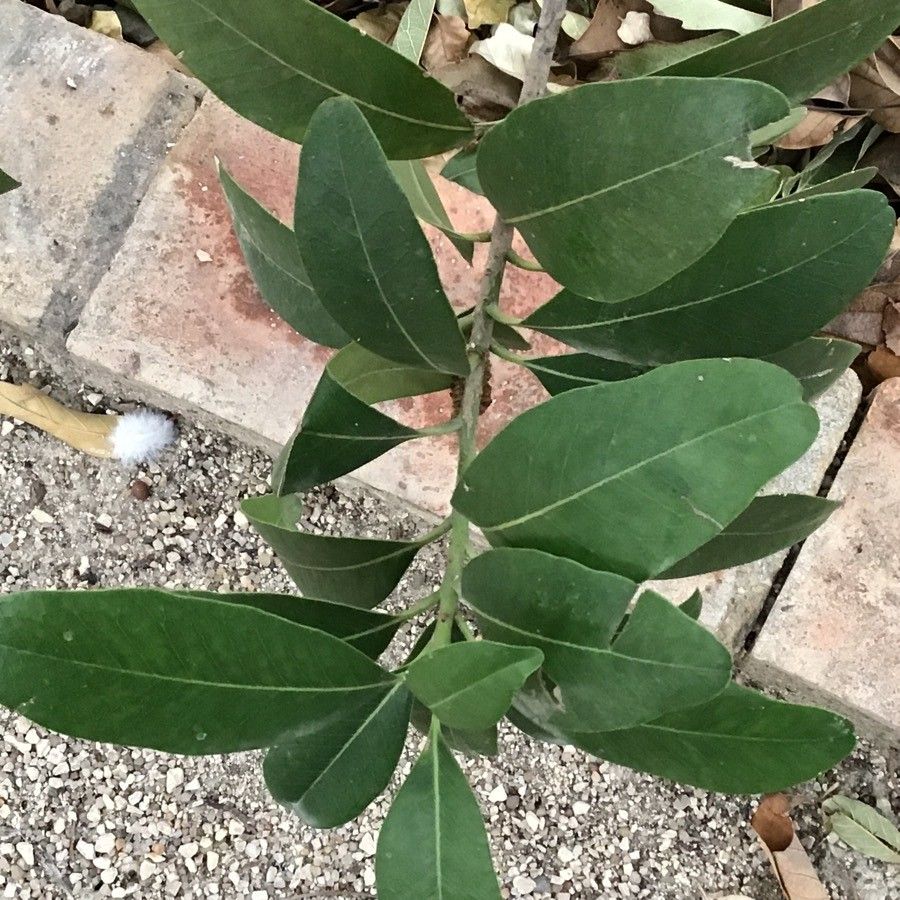
Unlocking the Secrets of Planchonella Obovata Propagation: A Guide for Beginners
Planchonella obovata, also known as the wild prune or blueberry ash, is a beautiful evergreen tree native to Southeast Asia and Australia. Beyond its ornamental appeal with glossy leaves and vibrant fruit displays, this resilient species has captured the attention of plant enthusiasts for its diverse uses in traditional medicine and as a sustainable timber source.
If you’re looking to welcome this versatile tree into your garden or contribute to its conservation, understanding its propagation methods is key. While Planchonella obovata can present a unique set of challenges, this guide will equip you with the knowledge to propagate it successfully.
Understanding the Challenges:
Planchonella obovata is known for its slow growth rate, and its propagation can be notoriously tricky. Seed germination rates are often low and unpredictable due to the seed’s dormancy. This dormancy mechanism, while beneficial in the wild, can make it challenging for enthusiasts to replicate optimal germination conditions.
Method 1: Seed Propagation – A Test of Patience
Seed Collection and Preparation: Collect mature fruits directly from the tree, preferably those that have fallen naturally. Extract the seeds and remove any remaining fruit pulp. Due to the presence of germination inhibitors, soaking the seeds in warm water for 24-48 hours, changing the water frequently, can be beneficial.
Sowing: Choose a well-draining seed raising mix and sow the seeds about 1-2 cm deep. The key is to maintain a consistently warm and humid environment. Using a propagator or covering the pots with plastic wrap can help achieve this.
- Patience is Key: Germination can take anywhere from a few weeks to several months. Don’t be discouraged if you don’t see results immediately. Provide consistent moisture and warmth, and be prepared to wait.
Method 2: Cuttings – A More Reliable Approach
Propagating Planchonella obovata from cuttings offers a higher success rate and is generally faster than seed propagation. However, it requires a bit more finesse:
Selecting the Right Cuttings: Choose healthy, semi-hardwood cuttings from the current year’s growth. Ideally, the cutting should be around 10-15 cm long with several nodes.
Preparing the Cuttings: Remove the leaves from the lower third of the cutting and wound the base slightly to expose the cambium layer. Dip the base in rooting hormone to encourage root development.
Planting and Care: Plant the cuttings in a well-draining potting mix, burying at least one node. Maintain a warm and humid environment, similar to seed propagation.
- Monitoring and Transplanting: With proper care, roots should develop within 6-8 weeks. Once the cuttings show signs of new growth, you can gradually acclimatize them to outdoor conditions before transplanting them to larger pots or a permanent location in the garden.
Essential Tips for Success:
Well-draining soil: Planchonella obovata is susceptible to root rot, so good drainage is crucial.
Warmth and humidity: Mimicking the tree’s natural tropical environment is key, especially during the early stages of propagation.
- Patience: Remember that Planchonella obovata is a slow-growing tree. Be patient and persistent, and you will be rewarded with a beautiful and rewarding addition to your landscape.
Propagating Planchonella obovata might seem daunting initially, but with the right knowledge and a touch of dedication, you can cultivate this remarkable tree and contribute to its preservation for generations to come.