
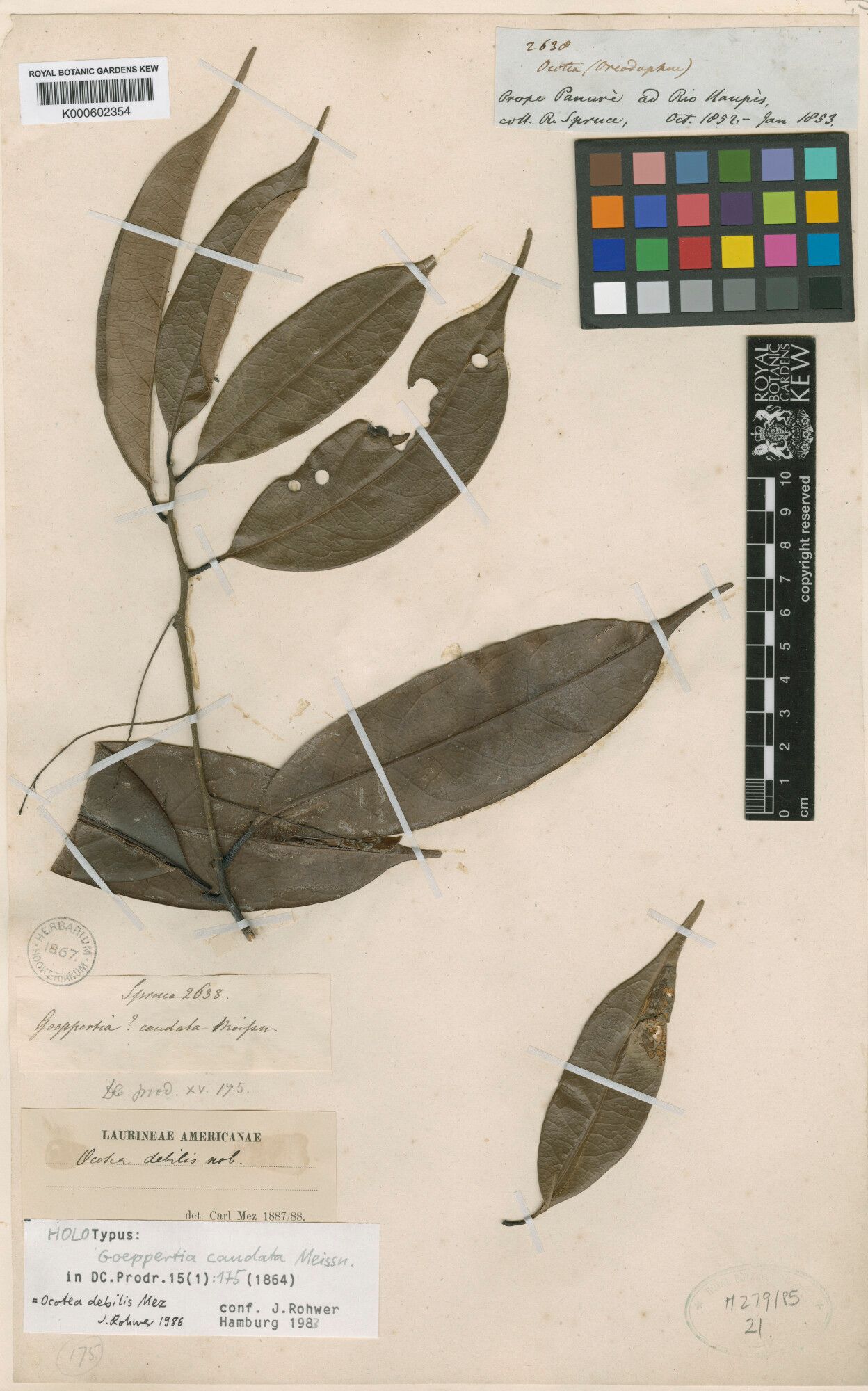
Unlocking the Secrets of Ocotea Debilis: A Guide to Propagation
Ocotea debilis, a relative newcomer to the horticultural scene, is steadily gaining popularity for its stunning foliage and hardiness. This evergreen tree, with its origins in the rainforests of South America, boasts glossy, dark green leaves that shimmer with an almost iridescent quality. However, one aspect that often leaves enthusiasts puzzled is its propagation.
While commercially available Ocotea debilis plants are still relatively rare, propagating your own is a rewarding challenge. Let’s delve into the two main methods to bring new life to this tropical beauty.
Method 1: Seed Propagation – A Test of Patience
Propagating Ocotea debilis from seeds requires a good deal of patience and a sprinkle of luck. Here’s a step-by-step guide:
Seed Sourcing: Sourcing viable seeds can be tricky. Look for reputable online sellers specializing in exotic plants or connect with botanical gardens or arboretums that might offer seeds.
Seed Preparation: Ocotea debilis seeds have a hard outer shell that benefits from scarification. Gently nick or rub the seed coat with sandpaper to improve water absorption.
Sowing: Use a well-draining seed-starting mix and sow the seeds about an inch deep. Keep the soil consistently moist but not waterlogged.
- Patience is Key: Germination can be erratic, taking anywhere from a few weeks to several months. Provide a warm, humid environment with indirect sunlight. Consider using a heat mat to maintain optimal soil temperature.
Method 2: Semi-Hardwood Cuttings – A Faster Route
Propagating from semi-hardwood cuttings offers a quicker and potentially more successful alternative:
Timing is Crucial: The optimal time is late spring or early summer when the plant is actively growing.
Taking the Cutting: Select healthy, non-flowering stems. Using clean, sharp pruning shears, take cuttings about 4-6 inches long, making the cut just below a leaf node.
Preparing the Cutting: Remove the lower leaves, leaving 2-3 leaves at the top. Dip the cut end in rooting hormone to encourage root development.
Planting the Cutting: Plant the cutting in a well-draining potting mix, burying the bottom node.
Creating a Humid Environment: Cover the pot with a clear plastic bag or use a humidity dome to maintain high moisture levels. Place in a warm, well-lit area but out of direct sunlight.
- Patience and Observation: Rooting can take several weeks. Check for signs of new growth, indicating successful rooting.
Caring for Your Ocotea Debilis Propagations
Regardless of the method you choose, caring for young Ocotea debilis plants is crucial for their survival:
Watering: Maintain consistently moist soil but avoid overwatering.
Light: Provide bright, indirect light. Avoid direct sunlight, which can scorch young leaves.
Humidity: As a rainforest dweller, Ocotea debilis thrives in humid environments. Mist regularly or use a humidifier to increase humidity.
- Fertilizing: Feed your young plant with a balanced, diluted fertilizer every 4-6 weeks during the growing season.
Propagating Ocotea debilis might require some trial and error, but the reward of successfully growing this stunning plant from scratch is truly satisfying. Whether you choose the rewarding challenge of seed propagation or the relatively quicker route of cuttings, remember that patience and consistent care are key to success. Happy propagating!