
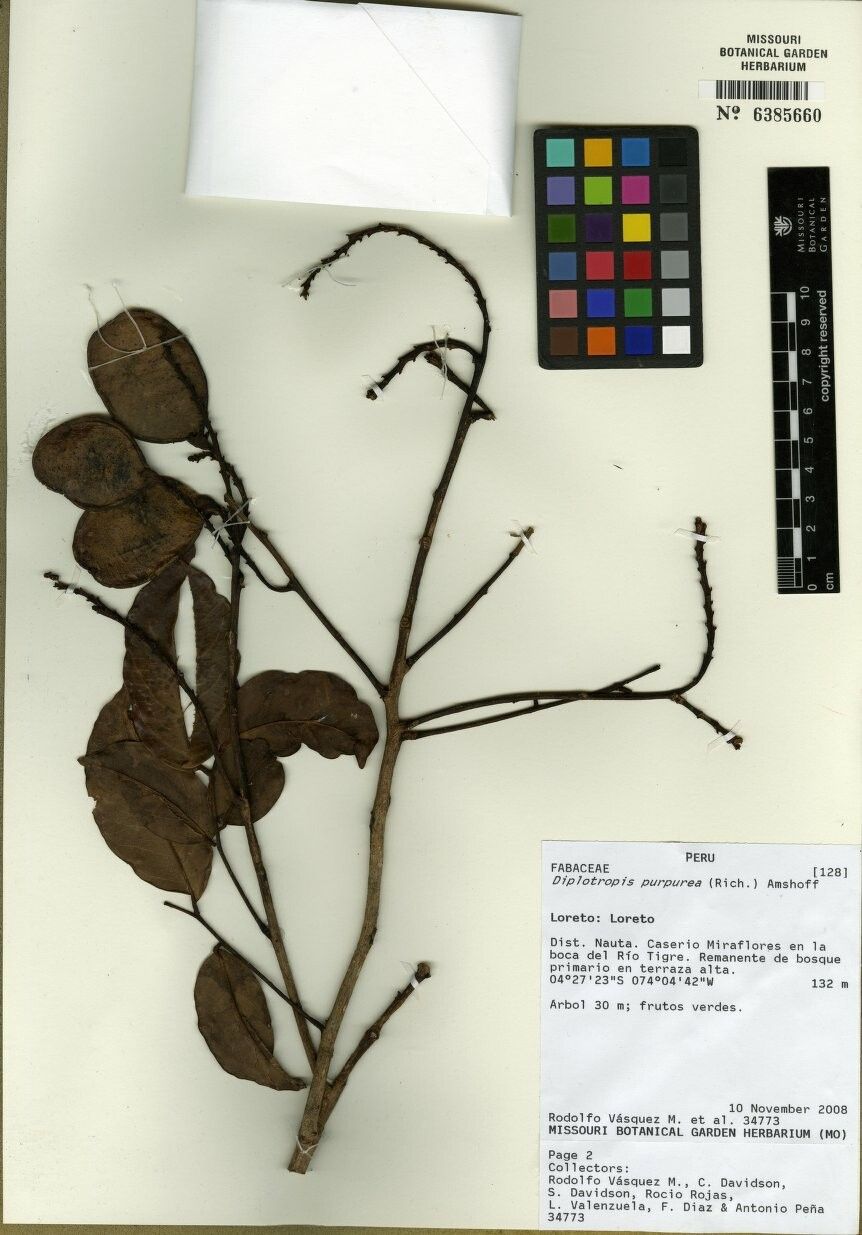
Taming the Wild Beauty: Propagating the Majestic Diplotropis martiusii
The Diplotropis martiusii, also known as the Brazilian Yellowheart, is a majestic tree native to the Amazon rainforest. Its stunning yellow flowers and dense, durable wood have made it a prized find, but growing this rainforest giant outside its natural habitat can feel like a daunting task. Fear not, intrepid plant enthusiasts! While propagating Diplotropis martiusii requires patience and a bit of a green thumb, the rewards of cultivating this magnificent species are well worth the effort.
Understanding the Challenge:
Diplotropis martiusii is naturally propagated through seed dispersal by animals in its rainforest home. This method, while effective in the wild, presents certain hurdles for home growers.
- Seed Scarcity: Diplotropis martiusii seeds are not readily available commercially. Sourcing them often requires connections with specialist nurseries or research institutions.
- Seed Dormancy: The seeds possess a natural dormancy that requires specific conditions to break, simulating the natural environment they would experience on the rainforest floor.
- Specific Growing Needs: As a tropical species, Diplotropis martiusii thrives in warm, humid environments with well-drained soil. Replicating these conditions is crucial for successful propagation.
Two Paths to Propagation:
1. Seed Propagation (The Rewarding Challenge):
- Sourcing Seeds: Your best bet is contacting botanical gardens or specialist nurseries specializing in tropical trees.
- Breaking Dormancy:
- Scarification: Gently nick or sand the seed coat to help water penetrate.
- Warm Water Soaking: Soak seeds in warm water (around 80°F) for 24-48 hours.
- Sowing: Plant the seeds in a well-draining seed-starting mix, about an inch deep. Keep the soil consistently moist but not waterlogged.
- Environment: Provide warmth (75-85°F) and high humidity. A seedling heat mat and humidity dome can be helpful.
- Patience: Germination can take anywhere from a few weeks to several months.
2. Cuttings (For the Experienced Gardener):
While possible, propagating Diplotropis martiusii from cuttings is significantly more challenging.
- Timing: Take semi-hardwood cuttings in late spring or early summer.
- Preparation: Select healthy stems and cut them into 6-8 inch sections. Remove the lower leaves and wound the cut end slightly to promote root formation.
- Rooting Hormone: Dip the cut end in rooting hormone to encourage root development.
- Planting: Plant the cuttings in a moist, well-draining rooting mix.
- Environment: Provide bottom heat (using a heat mat) and high humidity.
- Patience: Rooting can be inconsistent and may take several weeks or even months.
Nurturing Your Sapling:
Whether you’ve managed to sprout seeds or root cuttings, your Diplotropis martiusii will require consistent care to thrive:
- Light: Provide bright, indirect light. Avoid direct sunlight, especially for young seedlings.
- Water: Keep the soil consistently moist but not soggy. Good drainage is essential.
- Humidity: Maintain high humidity levels, especially during the early stages.
- Fertilizer: Fertilize every 4-6 weeks during the growing season with a balanced liquid fertilizer.
Propagating the Diplotropis martiusii is a rewarding challenge for passionate plant enthusiasts. It demands patience, dedication, and a touch of specialized knowledge. But the ability to cultivate this remarkable rainforest giant and contribute to its conservation makes the journey well worth the effort. Your perseverance will be rewarded with a stunning testament to nature’s grandeur, gracing your garden for years to come.