
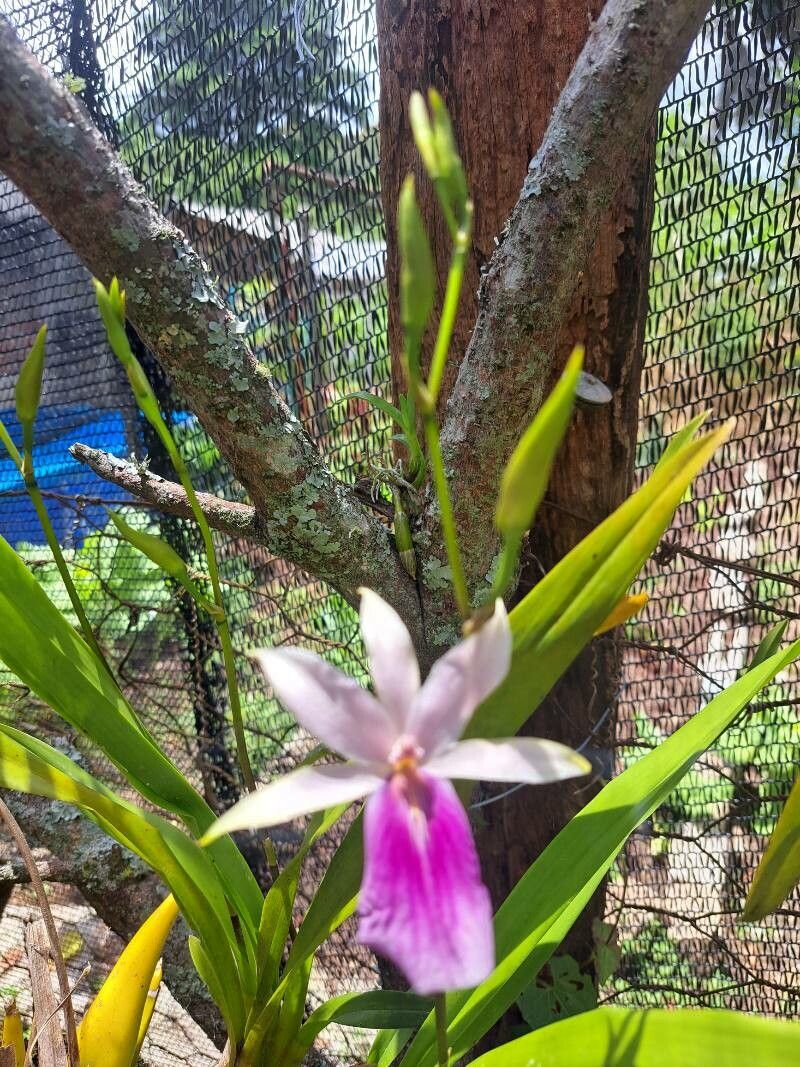
Unveiling the Secrets: How to Multiply Your Miltonia regnellii Orchids
The Miltonia regnellii, with its cascading sprays of vividly patterned flowers, is a showstopper in any orchid lover’s collection. But what if you could double, triple, or even quadruple your display? Propagating this elegant orchid isn’t just possible, it’s surprisingly achievable even for beginners.
Understanding the Basics
Before diving into the how-to, let’s demystify the plant itself. Miltonia regnellii, often referred to as the “Pansy Orchid” for its flat, vibrant blooms, is a sympodial epiphyte. In simpler terms, this means it grows horizontally, producing new growths, called pseudobulbs, along a rhizome. Each pseudobulb stores energy and nutrients, eventually sending up its own flower spike. And it’s these pseudobulbs that hold the key to successful propagation.
The Division Method: Your Go-To Technique
Dividing established plants is the most effective way to propagate Miltonia regnellii. Here’s a step-by-step guide:
Timing is Everything: The ideal time is during the plant’s active growth phase, typically in spring just as new roots emerge from developing pseudobulbs.
Gently Does It: Carefully remove the orchid from its pot. Using clean, sterilized tools (pruning shears or a sharp knife), identify sections of the rhizome with at least 3-4 healthy pseudobulbs. Each division should have a good root system.
Clean Cut: Make clean cuts through the rhizome, ensuring each division has sufficient roots attached.
Potting Up: Plant each division in a well-draining orchid potting mix. Ensure the base of the pseudobulbs sits slightly above the potting mix surface to prevent rot.
- Patience is Key: Water sparingly initially, allowing the potting mix to dry out slightly between waterings. Avoid direct sunlight and keep humidity levels moderate.
Beyond Division: Other Propagation Adventures
While division reigns supreme, other methods exist, though they are less common and generally more challenging:
Backbulbs: Older, leafless pseudobulbs can sometimes sprout new growths. Remove them carefully and place them on top of moist sphagnum moss. With patience and the right conditions, you might be rewarded with a new plantlet.
- Keikis: Rarely, Miltonia regnellii might produce keikis, miniature plantlets on the flower spikes. Once these keikis develop roots, you can carefully detach and pot them independently.
Troubleshooting Your Propagation Journey
Rotting Divisions: Ensure your potting mix offers excellent drainage. Overwatering is a common culprit, so err on the side of underwatering.
Lack of Growth: This could indicate insufficient light or humidity. Adjust your plant’s environment accordingly.
- Pests: Keep a vigilant eye out for common orchid pests like mealybugs or spider mites. Treat promptly if you spot any.
Propagating your Miltonia regnellii orchid is a rewarding endeavor, allowing you to expand your collection while deepening your connection with these botanical beauties. With a little patience and the right knowledge, you can enjoy their stunning floral displays for years to come.