
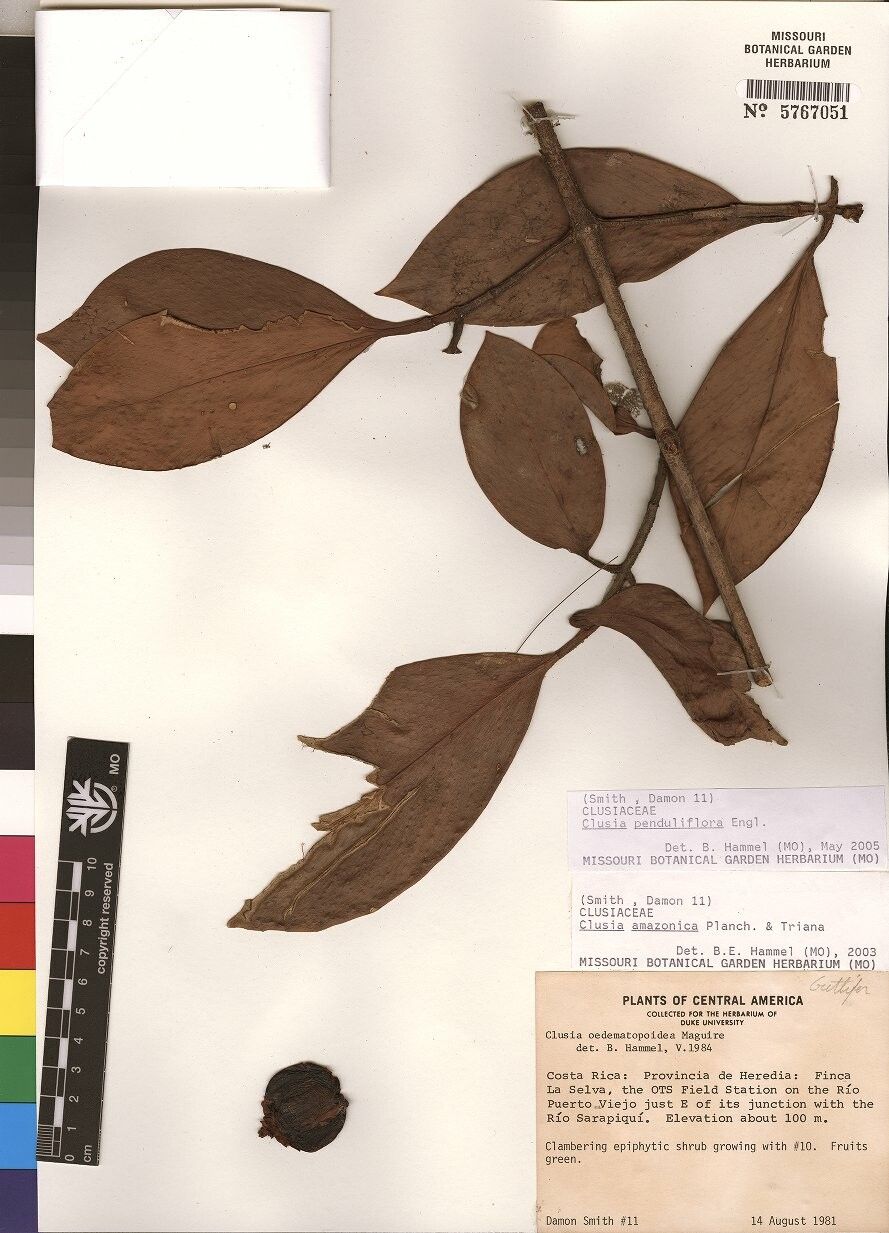
Unveiling the Secrets: Propagating the Exquisite Clusia penduliflora
The Clusia penduliflora, with its glossy leaves and charming, pendulous flowers, is a sight to behold. This tropical beauty, native to the Caribbean, adds a touch of exotic elegance to any space. If you’re lucky enough to have one gracing your home, you might be wondering how to create more of these botanical masterpieces. While a little patience is required, propagating Clusia penduliflora is a rewarding endeavor, achievable even for budding plant enthusiasts.
Two Paths to Propagation:
Clusia penduliflora can be propagated through two main methods:
Stem Cuttings: This is the most common and generally successful method.
- Seeds: While possible, propagating from seeds can be less reliable and takes considerably longer.
Let’s dive deeper into the fascinating world of stem cuttings:
What You’ll Need:
- Sharp, sterilized pruning shears or a knife: Cleanliness is key to prevent infections in your cuttings.
- A healthy Clusia penduliflora mother plant: Choose a stem that is mature but not woody, ideally with several leaf nodes.
- Rooting hormone (optional but recommended): This encourages faster and more robust root development.
- Well-draining potting mix: A mixture of peat moss, perlite, and vermiculite works well.
- Small pots or trays: Choose sizes appropriate for your cuttings.
Step-by-Step Guide to Success:
- Take Your Cuttings: Select a healthy stem and make a clean cut just below a leaf node. The cutting should be around 4-6 inches long. Remove the lower leaves, leaving 2-3 at the top.
- Hormone Boost (Optional): Dip the cut end of the stem into rooting hormone, ensuring the nodes are well coated.
- Potting Time: Plant the cuttings in your prepared pots, burying the nodes. Gently firm the soil around the cutting.
- Create a Humid Haven: Moisture is crucial. Cover the pots with a clear plastic bag or use a propagation dome to create a mini greenhouse effect.
- Location, Location, Location: Place your cuttings in a warm, bright spot, but out of direct sunlight.
- Patience is a Virtue: Keep the soil consistently moist, but avoid overwatering. Rooting can take several weeks or even months. New growth is a sign that roots have successfully developed.
Once Your Clusia Thrives:
Once the cuttings have rooted and show signs of healthy new growth, they can be transplanted into individual pots with well-draining soil. Remember, Clusia penduliflora prefers bright, indirect light and moderate watering. Allow the soil to dry slightly between waterings.
Propagating Clusia penduliflora – A Rewarding Journey:
While propagating this captivating plant might require some dedication, the rewards are worth the effort. With each successful cutting, you’ll not only expand your plant family but also deepen your connection with the natural world. So, embrace the challenge, and soon you’ll be surrounded by the lush beauty of your very own Clusia penduliflora creations.