
Unveiling the Secrets of Scilla madeirensis Propagation: A Guide to Multiplying the Madeira Squill
The “Madeira Squill”, scientifically known as Scilla madeirensis, is a captivating bulbous perennial that captivates with its striking display of vibrant blue flowers, adding a touch of exotic beauty to any garden. Native to the picturesque island of Madeira, this stunning plant, while relatively easy to care for, often leaves gardeners curious about the best ways to propagate and multiply their collection.
This comprehensive guide delves into the secrets of Scilla madeirensis propagation, offering practical tips and techniques to help you successfully grow new plants and expand your floral treasure trove.
Two Paths to Propagation: Seeds vs. Offsets
Scilla madeirensis can be propagated through two primary methods: seeds and offsets. Each approach has its own advantages and considerations:
1. Seed Propagation: Embracing the Patience of Nature
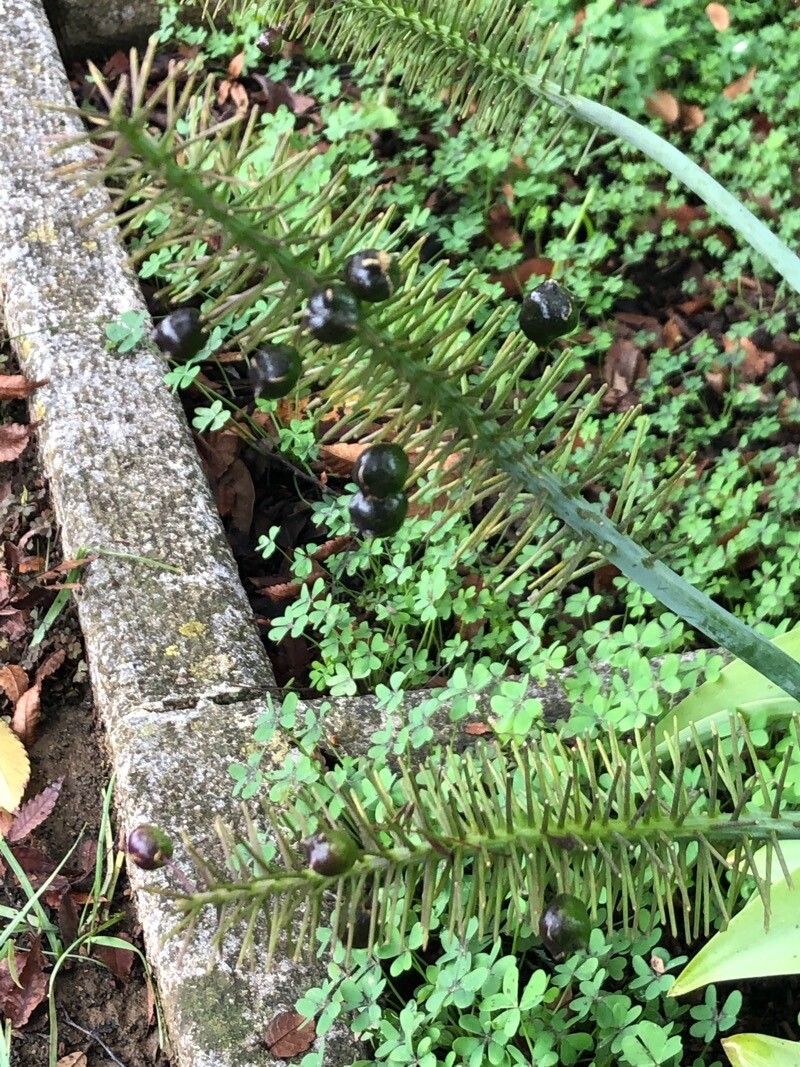
- Collecting Seeds: As your Scilla madeirensis finish blooming, keep an eye out for the emergence of small seed pods. Allow these pods to mature and dry on the plant, turning brown as a sign they’re ready for harvest. Gently collect the pods and extract the seeds within.
- Sowing the Seeds: Sow the collected seeds in well-draining seed compost, barely covering them with a fine layer of compost or vermiculite. Water gently and maintain a consistent moisture level.
- Germination Period: Be patient, as Scilla madeirensis seeds can take several weeks to germinate. Place the seed trays in a bright location but out of direct sunlight.
- Transplanting Seedlings: Once the seedlings have developed a few true leaves, they can be carefully transplanted into individual pots or directly into the garden.
Pros:
- Genetic Diversity: Seed propagation allows for the potential emergence of new and unique variations within your Scilla madeirensis collection.
- Greater Quantity: If you aim to produce a large number of plants, seed propagation is an efficient approach.
Cons:
- Time-Consuming: Seed propagation requires patience, as it takes longer for the plants to reach maturity and flower.
- Unpredictable Results: The resulting plants might exhibit slight variations in flower color and form compared to the parent plant.
2. Offset Propagation: A Quicker Route to Blooms
- Identifying Offsets: Scilla madeirensis naturally produces small bulb offsets, often referred to as “bulbils,” around the base of the mother bulb.
- Dividing Offsets: Carefully dig up the plant after the foliage has died back. Gently separate the offsets from the mother bulb, ensuring each offset has a good root system.
- Replanting: Replant the offsets immediately in well-prepared soil, spacing them appropriately to allow for growth.
Pros:
- Faster Blooms: This method produces plants that reach flowering maturity sooner than those grown from seed.
- Preserved Characteristics: Offsets retain the exact characteristics of the parent plant, ensuring consistency in your garden.
Cons:
- Limited Quantity: The number of offsets produced is naturally limited compared to the potential yield from seeds.
Nurturing Your New Scilla madeirensis Plants
Irrespective of your chosen propagation technique, provide your new Scilla madeirensis plants with well-draining soil and a position that receives partial shade to full sun. Water regularly during the growing season and allow the soil to dry slightly between waterings to prevent bulb rot.
Armed with this knowledge, you’re ready to embark on the rewarding journey of propagating your own stunning Scilla madeirensis collection. Happy gardening!