
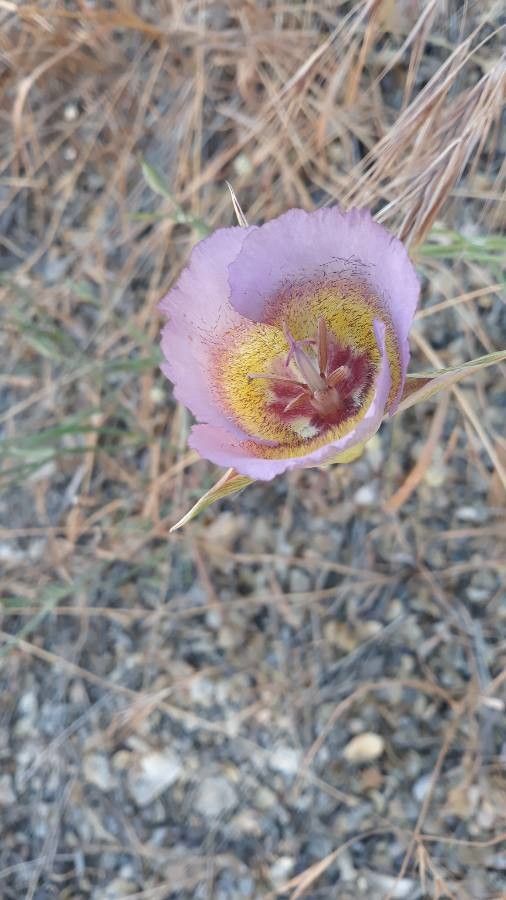
Unveiling the Secrets of Plummer’s Mariposa Lily: A Propagation Guide
California is renowned for its breathtaking flora, and among its dazzling treasures is the Plummer’s Mariposa Lily (Calochortus plummerae). This captivating wildflower, with its delicate, lilac-tinged blooms and intricate markings, captures the heart of every nature enthusiast. But have you ever dreamed of welcoming this beauty into your own garden? While famously challenging, propagating Plummer’s Mariposa Lily is not impossible. With patience, dedication, and the right know-how, you can cultivate these enchanting flowers and contribute to their conservation.
The Challenges of Taming Wild Beauty
Propagating Plummer’s Mariposa Lily is an endeavor that requires both understanding and resolve. These lilies have specific environmental needs and are notoriously slow-growing from seed. They thrive in well-drained soils with a slightly acidic to neutral pH, mimicking their natural habitat in dry, rocky slopes and meadows. Moreover, disturbing wild populations is discouraged, making ethical sourcing of seeds or bulbs crucial.
Two Paths to Cultivating Enchantment: Seeds and Bulbs
1. The Seed Route: A Test of Patience
Propagating Plummer’s Mariposa Lily from seed is a rewarding, albeit lengthy, process. Freshly collected seeds offer the highest chance of success.
- Sowing: Sow seeds in late fall or early winter, mimicking their natural cycle. Use a well-draining seed mix and lightly cover them with a sprinkle of soil.
- Patience is Key: Germination is slow and can take several months to a year. Maintain consistent moisture during this period.
- First Blooms: Once sprouted, provide seedlings with ample sunlight and good air circulation. Be patient, as it can take 3-4 years for your seedlings to mature and produce those breathtaking blooms.
2. The Bulb Approach: A Quicker, but Trickier, Path
Propagating from bulbs offers a faster route, though finding ethically sourced bulbs can be challenging.
- Timing is Everything: Plant bulbs in the fall, ensuring the pointy end faces upwards.
- Depth and Spacing: Bury them about 4-6 inches deep and space them approximately 6 inches apart.
- Winter Dormancy: Once planted, water sparingly, allowing the bulbs to experience their natural winter dormancy.
Nurturing Your Calochortus Plummerae
Successfully cultivating this delicate beauty goes beyond just planting.
- Sunlight is Essential: Provide your lilies with at least 6 hours of direct sunlight daily.
- Water Wisely: These drought-tolerant plants prefer infrequent, deep watering. Avoid overwatering, which can lead to bulb rot.
- Fertilize Sparingly: A light application of a balanced, low-nitrogen fertilizer in spring can be beneficial.
Preserving a Precious Heritage
Propagating Plummer’s Mariposa Lily is more than just a gardening endeavor; it’s a way to actively participate in the conservation of a precious California native. By cultivating these captivating blooms in our gardens, we not only enrich our own surroundings but also contribute to ensuring the survival of this threatened species for generations to come. So, embrace the challenge, delve into the world of propagation, and let your garden become a sanctuary for the exquisite Plummer’s Mariposa Lily.