
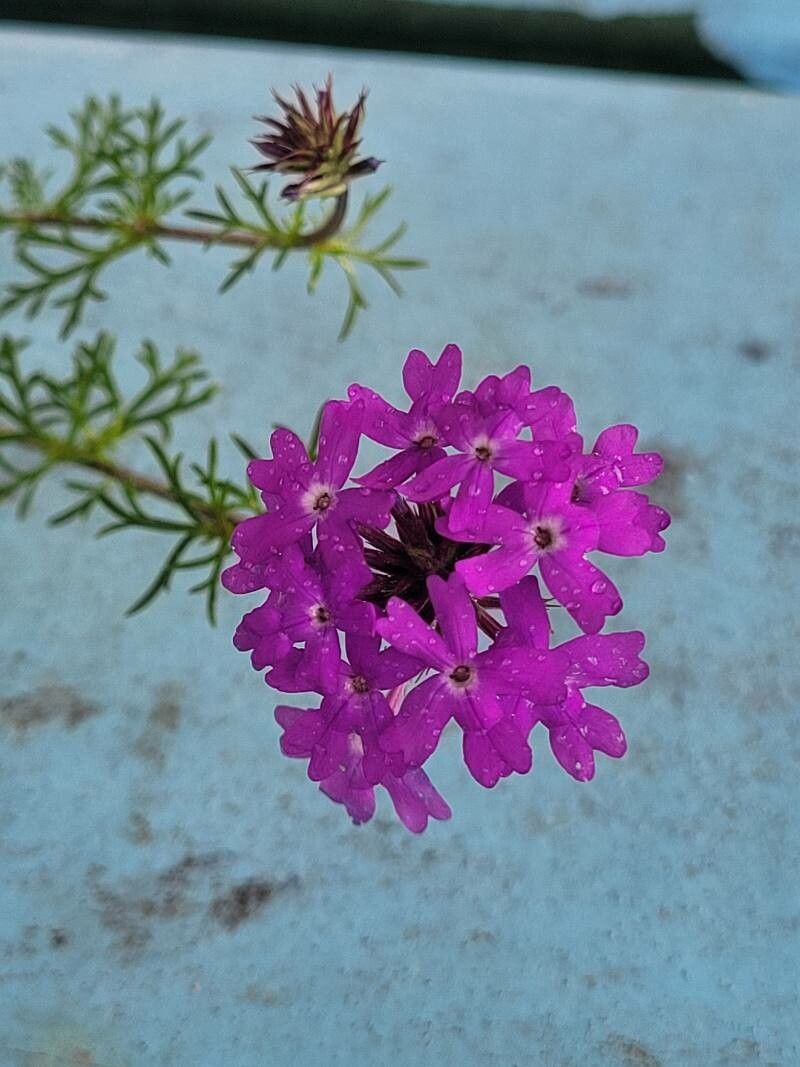
Unleash a Wave of Purple: Propagating Dakota Mock Vervain (Verbena bipinnatifida)
Dakota Mock Vervain, also known as Verbena bipinnatifida, is a captivating wildflower renowned for its vibrant purple blooms and feathery foliage. Native to the prairies of North America, this hardy perennial thrives in sunny locations and effortlessly attracts pollinators like bees and butterflies. If you’re looking to expand your garden’s purple tapestry or share the beauty of this plant with others, propagating Dakota Mock Vervain is an achievable and rewarding endeavor.
Here’s a comprehensive guide on how to propagate Verbena bipinnatifida:
Methods of Propagation:
Dakota Mock Vervain can be propagated through two primary methods: seeds and cuttings.
1. Seed Propagation:
- Collecting Seeds: As the blooming season wanes, keep an eye out for small, brown seed pods forming on the Verbena bipinnatifida plants. Once the pods turn dry and brittle, carefully collect them and store in a paper bag in a cool, dry place.
- Sowing Seeds: Start seeds indoors 6-8 weeks before the last expected frost in your area. Sow the seeds in a well-draining seed starting mix, barely covering them with soil. Keep the soil consistently moist and provide bright, indirect light.
- Transplanting Seedlings: Once the seedlings develop a few sets of true leaves and the danger of frost has passed, harden them off gradually by introducing them to outdoor conditions for progressively longer periods. Choose a sunny location with well-drained soil and space the seedlings 12-18 inches apart.
2. Propagation from Cuttings:
- Taking Cuttings: During the spring or early summer, choose healthy stems from an established Verbena bipinnatifida plant. Using clean, sharp shears, take cuttings that are 4-6 inches long, making the cut just below a leaf node.
- Preparing Cuttings: Remove the lower leaves from the cutting, leaving only a few leaves at the top. Dip the cut end in rooting hormone to encourage root development (optional but beneficial).
- Planting Cuttings: Plant the prepared cuttings in a pot filled with a well-draining potting mix. Maintain consistent moisture and provide indirect sunlight.
- Transplanting Cuttings: Once the cuttings have developed a robust root system, typically within 4-6 weeks, they can be transplanted into larger pots or directly into the garden.
Tips for Success:
- Well-Draining Soil: Both seeds and cuttings of Verbena bipinnatifida thrive in well-drained soil. Amend heavy clay soils with compost or other organic matter to improve drainage.
- Sunlight Requirements: Choose a location that receives at least 6 hours of direct sunlight per day to encourage vigorous growth and abundant blooms.
- Watering Practices: While drought-tolerant once established, provide regular watering during the first growing season to support root development. Water deeply when the soil is dry to the touch.
Conclusion:
Propagating Dakota Mock Vervain is a straightforward process that allows you to expand your garden’s beauty and pollinator habitat. Whether you choose to start from seeds or cuttings, following these guidelines ensures a high success rate and a bounty of vibrant purple blooms for years to come. Enjoy the captivating charm and resilient nature of this stunning native wildflower.