
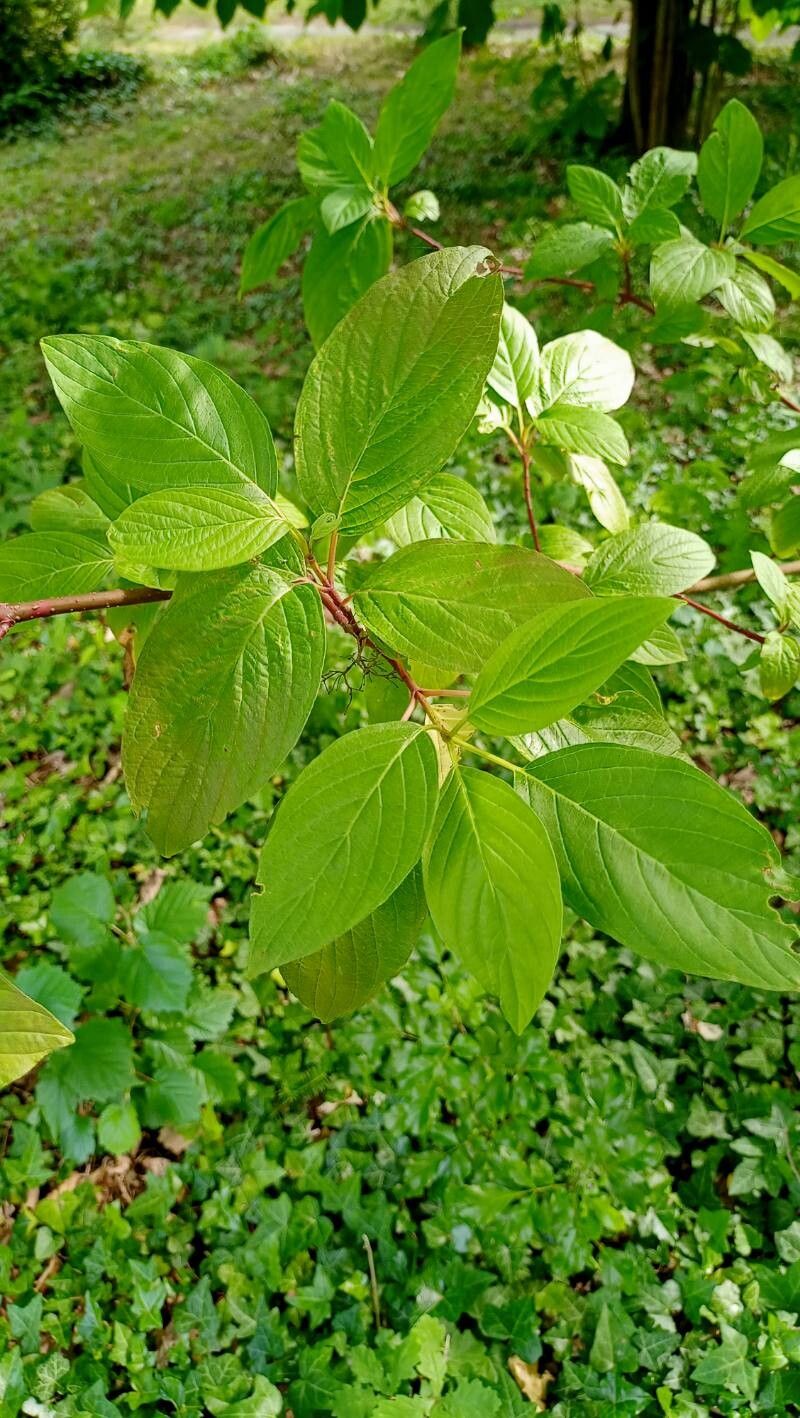
Unearthing the Secrets of Brown Dogwood Propagation: Grow Your Own Cornus Glabrata Oasis
The Brown Dogwood (Cornus glabrata), with its understated elegance and resilience, deserves a place of honor in more gardens. This West Coast native boasts lush green foliage that turns a fiery orange-red in autumn, delicate white spring blooms that attract beneficial pollinators, and intriguing, layered branches that provide year-round interest. If you’re looking to add this low-maintenance beauty to your landscape, propagating your own Cornus glabrata is a rewarding endeavor. Let’s explore three common methods:
1. Growing Cornus Glabrata From Seed:
Propagating Brown Dogwood from seed offers a deep connection to the plant’s life cycle, but requires patience. Here’s how:
- Seed Collection: Gather ripe fruits, which resemble small berries, in the fall. Extract the seeds and clean off any pulp.
- Stratification: Mimic winter conditions by placing the seeds in a moist mixture of sand and peat moss. Store in the refrigerator (around 40°F) for 60-90 days.
- Sowing: In spring, sow the stratified seeds in a seed-starting mix, barely covering them. Provide warmth, light, and consistent moisture.
- Transplanting: Once the seedlings develop a strong root system and several sets of true leaves, transplant them to larger containers or a prepared garden bed.
2. Propagating with Softwood Cuttings:
Softwood cuttings offer quicker results than seeds, especially during the plant’s active growing phase in late spring to early summer:
- Taking Cuttings: Choose healthy, non-flowering stems. Using clean, sharp pruners, take cuttings about 4-6 inches long, making the cut just below a leaf node.
- Preparing the Cuttings: Remove the lower leaves from the cutting, leaving 2-3 pairs at the top. Dip the cut end in rooting hormone to encourage root development.
- Planting: Insert the cuttings into a well-draining potting mix. Maintain humidity by covering the pot with a plastic bag or using a propagation dome.
- Rooting: Within a few weeks, roots should begin to form. Once the cuttings show signs of new growth, you can gradually acclimate them to outdoor conditions before transplanting.
3. Layering for Guaranteed Success:
Layering is an easy and effective method for propagating Cornus glabrata, promoting root formation on a branch while it’s still attached to the parent plant:
- Selecting a Branch: Choose a low-growing, flexible branch in early spring.
- Wounding the Branch: Lightly wound the underside of the selected branch by making a small, upward cut or scraping away a small section of bark.
- Burying the Branch: Bend the wounded section down and bury it a few inches deep in the soil, using a rock or landscape staple to secure it. The tip of the branch should remain above the soil line.
- Separating the Layer: After several months, check for root development. Once a robust root system forms, you can separate the layered branch from the parent plant and transplant it.
Optimal Conditions for Success:
Regardless of the propagation method you choose, provide your new Cornus glabrata plants with:
- Moist, well-drained soil: Amend clay soil with organic matter to improve drainage.
- Partial shade to full sun: Though adaptable, Brown Dogwood thrives in morning sun and afternoon shade.
- Regular watering: Keep the soil consistently moist, especially during the first year.
Patience and observation are key when propagating any plant. With a bit of care, you’ll soon have a thriving grove of Brown Dogwoods, adding grace and beauty to your landscape for years to come.