
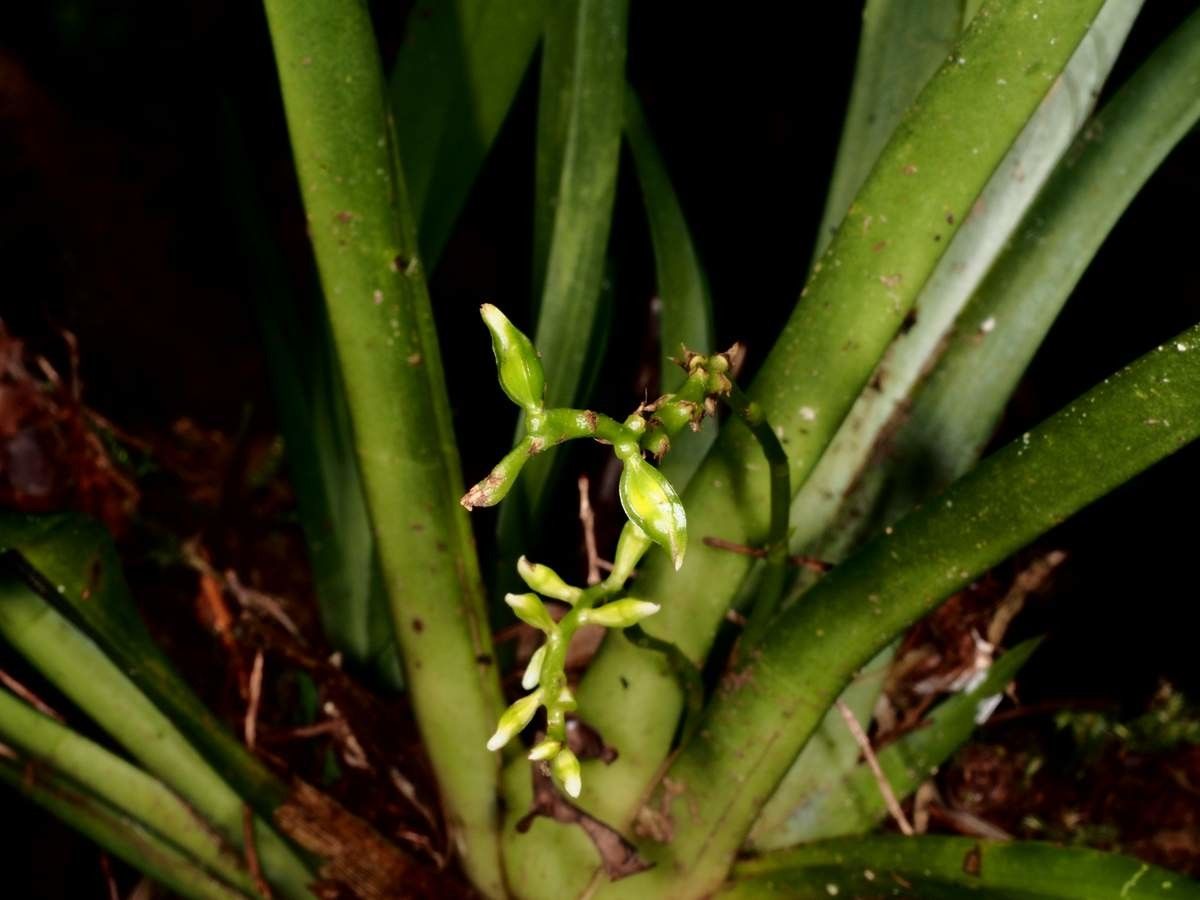
Unveiling the Secrets of Thelasis Carinata Propagation: A Guide for Orchid Enthusiasts
Thelasis carinata, with its delicate charm and cascading blooms, is a captivating orchid species that enchants both seasoned collectors and curious beginners. If you’ve fallen under the spell of this charming epiphyte and dream of expanding your orchid family, understanding its propagation is key. While it might seem like a mystical art, propagating Thelasis carinata can be a fulfilling endeavor with the right knowledge and a dash of patience. Let’s delve into the secrets of multiplying this beautiful orchid.
Understanding the Basics
Before diving into the specifics, it’s essential to understand how Thelasis carinata naturally reproduces. In its native habitat, this orchid primarily propagates through seed dispersal. However, seed propagation is a lengthy and complex process, often requiring specialized laboratory conditions. For hobbyists, vegetative propagation offers a more accessible and practical approach.
Vegetative Propagation: Your Path to Success
Vegetative propagation focuses on creating new plants from existing plant parts. For Thelasis carinata, this primarily involves division and, less commonly, keiki development:
Division: This method involves carefully separating a mature, healthy plant into multiple divisions, each with its own root system and growth point. Here’s how:
- Timing is Key: The ideal time for division is during spring or early summer, when the orchid is actively growing.
- Choose Wisely: Select a plant with at least 6-8 pseudobulbs, ensuring each division has a minimum of 3 pseudobulbs.
- Gentle Separation: Carefully remove the plant from its pot and gently disentangle the roots. Using a sterilized sharp knife or shears, divide the rhizome (the horizontal stem connecting the pseudobulbs), making sure each division has sufficient roots.
- Potting the Divisions: Plant each division in a well-draining orchid mix, ensuring the base of the pseudobulbs is at or slightly above the potting medium’s surface.
- Post-Division Care: Place the newly potted divisions in a warm, humid environment with indirect light. Water sparingly until new growth emerges, indicating successful establishment.
- Keikis: Keikis are essentially baby orchids that sometimes sprout from the nodes of a mature plant’s pseudobulbs. These miniature replicas can be detached and potted once they develop a good root system. While less common in Thelasis carinata than other orchid species, keiki development can offer a pleasant surprise.
Patience: The Unsung Hero of Propagation
Regardless of the method, remember that patience is paramount. Orchid propagation is not an overnight process; it requires time and dedicated care for the new plants to establish themselves and thrive.
Beyond Propagation: Sustaining Your Thelasis Carinata
Once you have successfully propagated your Thelasis carinata, providing the right environment is crucial for its long-term well-being. This includes:
- Bright, indirect light: Avoid direct sunlight, which can scorch the leaves.
- Warm temperatures: Ideally between 65-80°F (18-27°C).
- High humidity: Aim for 50-70% humidity.
- Well-draining potting mix: Special orchid mixes are readily available.
- Regular fertilization: Use a diluted orchid fertilizer during the growing season.
By mastering the art of propagation and providing optimal care, you can propagate your Thelasis carinata and enjoy its delicate beauty for years to come. So, embrace the journey, and watch your orchid family flourish!