
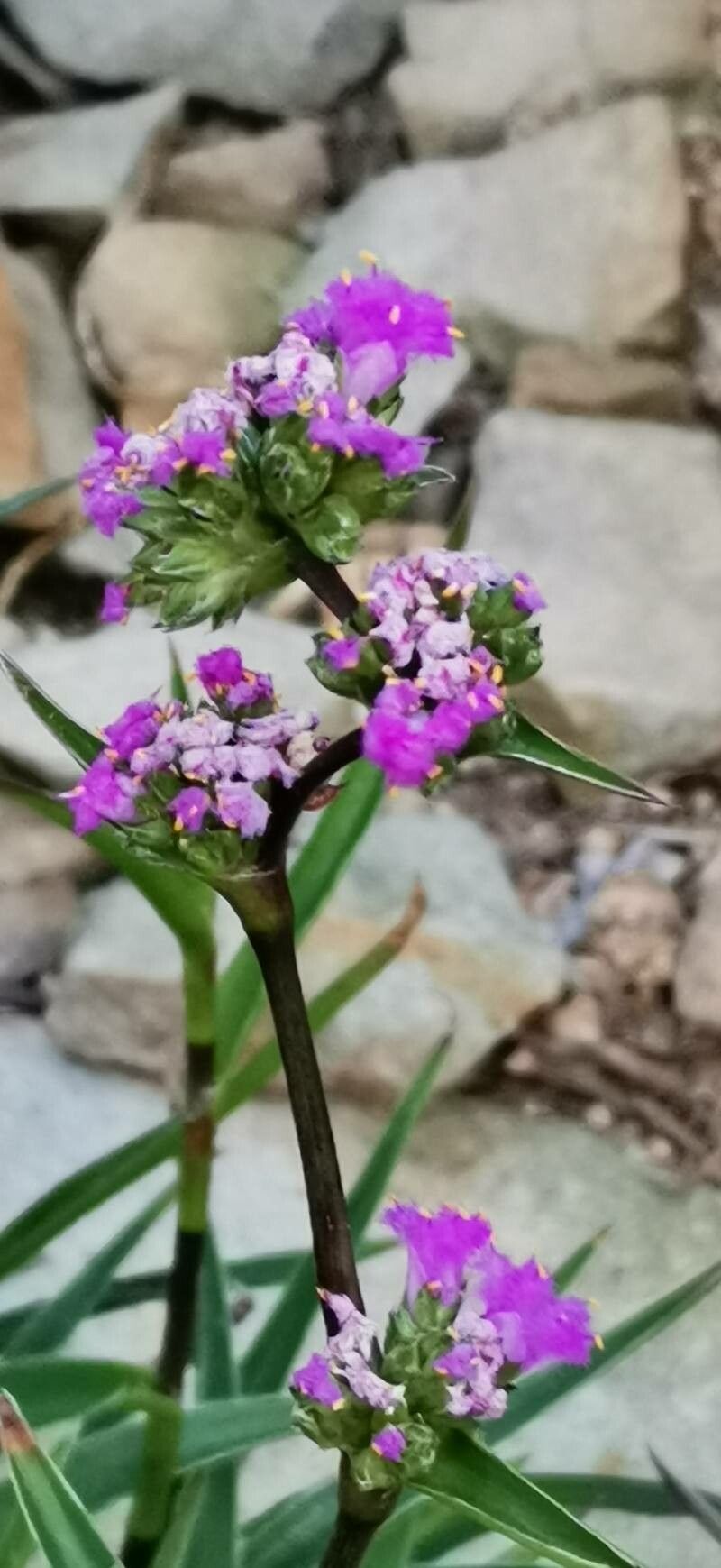
Propagating the Striking Bristly Spiderwort (Cyanotis speciosa): A Gardener’s Guide
Introduction:
Cyanotis speciosa, commonly known as Bristly Spiderwort, is a captivating succulent plant prized for its striking velvety, purple-blue leaves and unique, somewhat inconspicuous flowers. Its relatively low maintenance requirements and attractive foliage have made it increasingly popular among indoor and outdoor gardeners. However, its propagation presents certain challenges, requiring understanding of its specific needs. This guide explores various methods for propagating Cyanotis speciosa, illuminating the hurdles and rewards associated with each.
Seed Germination:
Currently, there are no known reliable methods for seed germination propagation of Cyanotis speciosa. While the plant does produce seeds, their germination rate is exceptionally low, and successful germination has not been consistently documented. Further research into specific germination requirements might be necessary to unlock this propagation method.
Cuttings:
This is the most commonly used and reliable method for propagating Cyanotis speciosa.
Challenges: The cuttings can be susceptible to rot if not properly cared for, especially if the environment is too humid or the cuttings aren’t allowed to callus properly.
Practical Tips: Take stem cuttings, approximately 4-6 inches long, from healthy, actively growing stems. Allow the cut ends to callus over for a few days in a dry, shaded area. Then, plant the cuttings in a well-draining potting mix (a cactus and succulent mix works well). Ensure the potting mix is slightly moist but not soggy. Keep the cuttings in a bright, but indirect light location, avoiding direct sunlight which can scorch the delicate leaves. Rooting hormones can increase success rates. Misting occasionally helps maintain humidity.
Rewards: This method is relatively easy to master once the proper technique is established. It provides a relatively quick way to generate multiple plants from a single mother plant, maintaining the exact genetic characteristics of the parent.
Division:
Division is another effective method, particularly useful for larger, established plants.
Challenges: Improper division can damage the root system of the mother plant and the resulting divisions, leading to poor establishment and even death.
Practical Tips: Carefully remove the plant from its pot. Gently separate the plant into smaller sections, ensuring each section has a substantial root system and several healthy stems. Replant each division in its own pot using a well-draining succulent potting mix. Avoid overwatering initially.
Rewards: Division allows for rapid increase in the number of plants, mirroring the results of cuttings. It’s less technically demanding than tissue culture.
Tissue Culture:
While tissue culture is a potentially viable method, it requires specialized equipment and sterile conditions.
Challenges: This technique requires a clean lab environment, specialized nutrient media, and expertise in sterile practices. It’s the most technically demanding approach, requiring significant investment in equipment and training.
Practical Tips: Small stem segments or leaf explants are typically used as the starting material. These are placed on a nutrient-rich agar medium in a sterile environment. The cultures are then maintained under controlled conditions, promoting the development of new plantlets.
Rewards: A large number of genetically identical plants can be produced quickly, making it ideal for mass production or for preserving rare cultivars.
Conclusion:
Propagating Cyanotis speciosa presents varying levels of difficulty across different methods. While seed germination currently proves unreliable, cuttings and division are effective and relatively straightforward techniques. Tissue culture offers high-volume propagation but demands specialized knowledge and resources. The reward for successful propagation – a flourishing collection of these strikingly beautiful plants – is a testament to patience, observation, and a deep appreciation for the nuances of plant husbandry. Don’t be discouraged by initial setbacks. Experimentation and understanding the specific needs of this plant are key to unlocking its propagation potential and enjoying the unique satisfaction of cultivating this captivating succulent.