
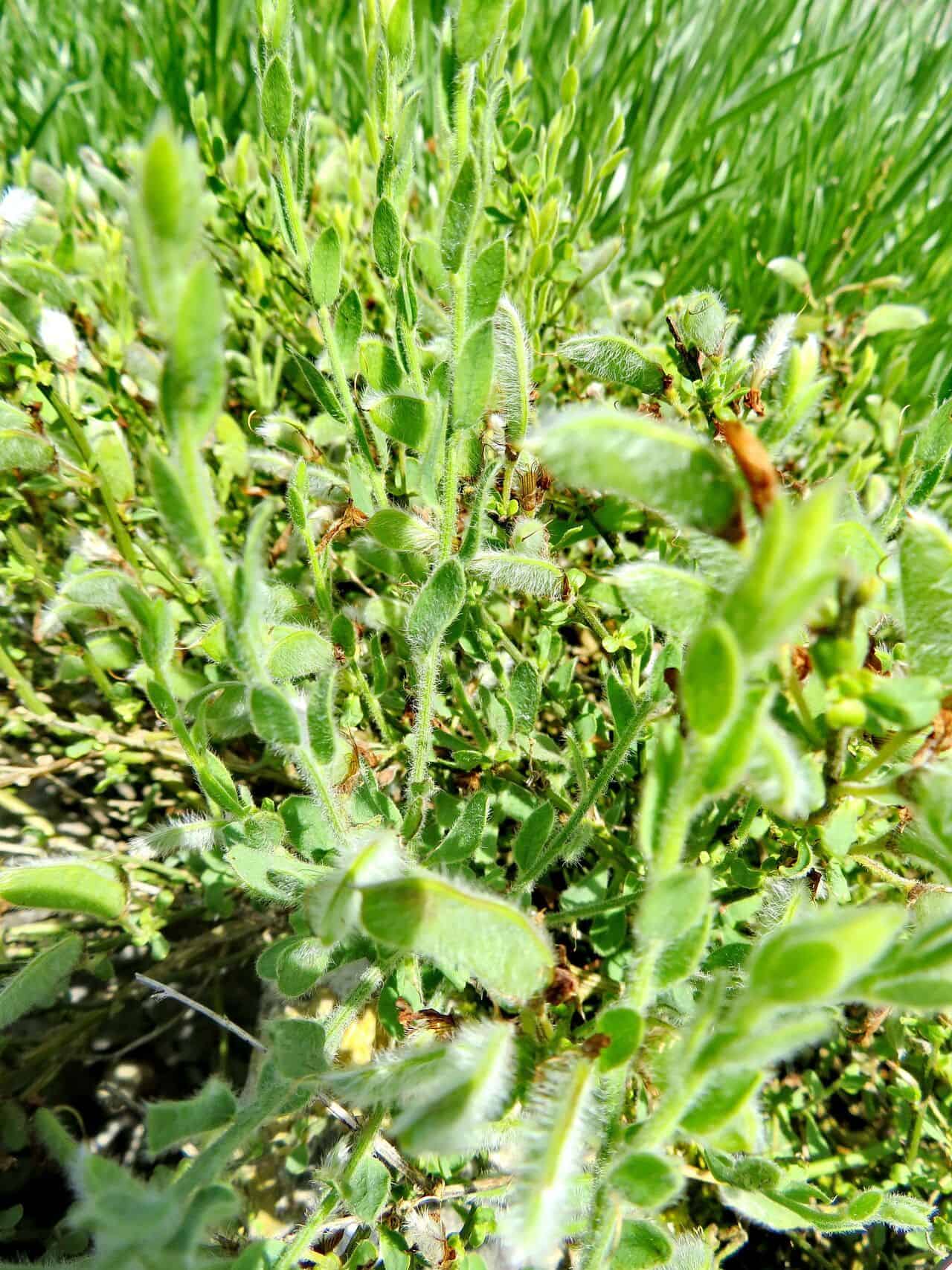
Taming the Fire of the Atlas: Propagating the Cytisus agnipilus
The Cytisus agnipilus, more charmingly known as the Moroccan Broom or Volcano Broom, is a sight to behold. Hailing from the Atlas Mountains of Morocco, this deciduous shrub explodes in a fiery spectacle of golden-yellow flowers, resembling miniature volcanic eruptions against a canvas of delicate, silvery-green foliage. If you’re yearning to bring this exotic beauty into your garden, propagation is an adventure worth embarking on.
While acquiring established plants is an option, nothing beats the satisfaction of nurturing a plant from its infancy. Let’s explore the two main methods for propagating Cytisus agnipilus:
Method 1: Stirring the Embers – Propagating from Seed
Harvesting the Treasure: As summer fades and autumn graces us with its presence, you’ll notice seed pods forming on your Moroccan Broom. Allow these pods to fully mature and turn brown on the plant before collecting them. A word of caution: the pods can burst open suddenly, scattering their contents. To avoid losing precious seeds, consider covering the pods with a small cloth bag.
Breaking the Dormancy Spell: Cytisus agnipilus seeds possess a clever defense mechanism known as dormancy. To break this spell and encourage germination, you’ll need to mimic nature’s methods. One effective technique is scarification, gently nicking the seed coat with a nail file or sandpaper, followed by soaking the seeds in warm water for 24 hours.
Sowing the Seeds: Choose a well-draining seed starting mix and sow the seeds about ½ inch deep. Water gently and place the container in a warm, bright location, away from direct sunlight.
- Patience, Young Padawan: Germination can be a leisurely process, sometimes taking several weeks or even months. Maintain consistent moisture and be prepared to wait patiently for the first signs of life to emerge.
Method 2: Fanning the Flames – Propagating from Cuttings
Timing is Key: The ideal time to take cuttings is in late spring or early summer, when the plant is actively growing.
Selecting the Chosen Ones: Choose healthy, non-flowering stems that are approximately 4-6 inches long. Make a clean cut just below a leaf node using a sharp, sterilized knife or pruning shears.
Preparing the Cuttings: Remove the lower leaves from the cutting, leaving a few leaves at the top. Dip the cut end in rooting hormone powder to encourage root development.
Creating a Nurturing Environment: Plant the cuttings in a pot filled with a well-draining mix of peat moss and perlite. Water thoroughly and enclose the pot in a clear plastic bag to create a humid environment.
- Embracing the New Growth: Place the pot in a bright location, but out of direct sunlight. Check regularly for signs of new growth, typically within 4-6 weeks. Once rooted, the cuttings can be gradually acclimated to outdoor conditions before planting in their permanent location.
A Few Final Sparks of Wisdom:
- Cytisus agnipilus thrives in full sun and well-drained soil.
- Once established, it’s relatively drought-tolerant.
- It’s a nitrogen-fixing plant, enriching the soil around it.
Propagating your own Cytisus agnipilus may require patience and dedication, but the reward of witnessing these vibrant blooms erupting in your garden is well worth the effort. So, go forth and kindle your own fiery spectacle of Moroccan beauty!