
Propagating Duguetia latifolia: A Gardener’s Guide to the Wild Lime
Introduction:
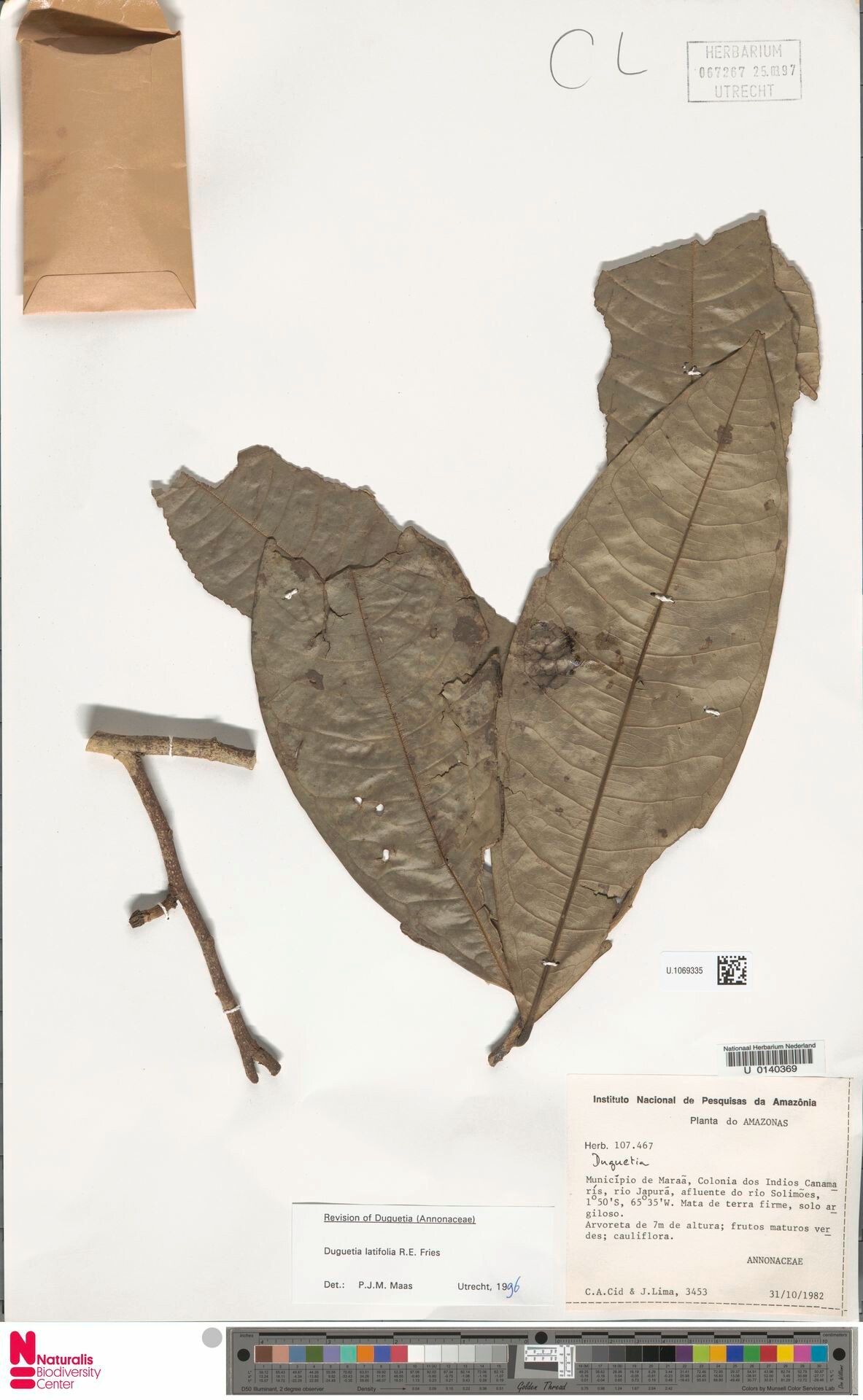
Duguetia latifolia, also known as broadleaf duguetia or in some regions as a type of wild lime, is a fascinating tropical tree belonging to the Annonaceae family. Its glossy, dark green leaves and attractive, albeit small, flowers make it a sought-after addition to tropical gardens. However, its propagation isn’t straightforward, presenting unique challenges and rewards for the dedicated gardener. Its relative rarity in cultivation further contributes to the intrigue and satisfaction experienced in successfully nurturing it.
Seed Germination:
While Duguetia latifolia produces seeds, their germination rate is notoriously low. Challenges include a hard seed coat which inhibits water uptake and potentially a period of dormancy requiring specific conditions. Further research into specific stratification techniques (e.g., cold stratification, scarification) for this species is needed. While germination may be possible with meticulous attention to detail, consistently successful propagation from seed remains largely undocumented. Therefore, while genetic diversity is a potential reward if successful, it’s currently not a reliable method for large-scale propagation.
Cuttings:
Propagation via cuttings offers a potentially more reliable method than seed germination. However, challenges remain. The success rate is likely dependent on factors such as the timing of cutting collection (ideally during active growth), the use of rooting hormones (auxins like IBA), and maintaining optimal humidity and temperature within a propagation environment (e.g., a humidity dome or mist propagation system). Difficulties may arise due to susceptibility to fungal diseases in humid conditions. Rewards include a faster propagation time compared to seed germination, assuming successful rooting. Experimentation with different cutting types (e.g., hardwood, softwood) is advisable.
Division:
Division of Duguetia latifolia is generally not feasible. This species typically develops a single, substantial taproot system, making the separation and successful replanting of divisions highly improbable and likely to result in plant death.
Tissue Culture:
Tissue culture presents a promising avenue for large-scale propagation of Duguetia latifolia. This method circumvents many challenges associated with seed germination and cuttings. However, it requires specialized knowledge, equipment, and sterile conditions. The establishment of aseptic cultures, selection of suitable growth media, and optimization of hormonal treatments are crucial for successful propagation. The rewards are substantial: a high multiplication rate, disease-free plants, and the potential to conserve genetics efficiently. However, the initial investment in equipment and expertise can be significant.
Conclusion:
Propagating Duguetia latifolia presents various challenges across different methods. While seed germination remains unreliable, the success rate of cuttings significantly depends on environmental conditions and horticultural expertise. Division is unfeasible, and tissue culture offers the most promising, yet resource-intensive, approach. The rewards, however, are commensurate with the effort. The satisfaction of successfully cultivating this relatively rare and attractive plant stems not just from the beautiful result but from the challenge overcome in the process.
For aspiring propagators, persistence and a willingness to experiment are key. Start with cuttings, experimenting with different rooting techniques and environmental controls. If resources permit, consider exploring tissue culture as a more efficient and potentially successful method. Remember that meticulous observation and careful record-keeping will significantly enhance your chances of success in cultivating this unique tropical treasure.