
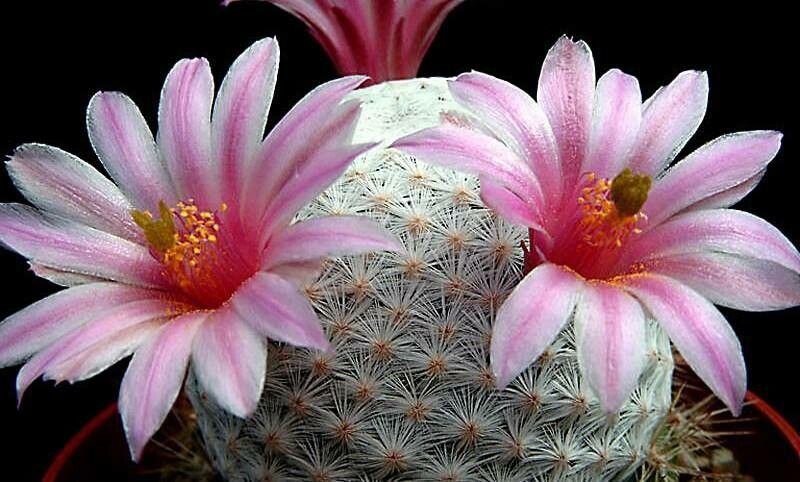
Propagating Mammillaria herrerae: A Gardener’s Guide to the Bishop’s Cap
Mammillaria herrerae, also known as the Bishop’s Cap, is a highly sought-after cactus prized for its distinctive, densely packed, white-spined tubercles forming a visually stunning, almost spherical shape. Its relatively slow growth and compact size make it a popular choice for succulent enthusiasts, both beginners and experienced collectors alike. Its unique morphology and relative rarity contribute to its horticultural significance, making propagation a rewarding but often challenging endeavor.
Seed Germination:
Seed germination is a viable method for propagating Mammillaria herrerae, although it presents some challenges. Obtaining fresh, viable seeds is crucial; older seeds have significantly reduced germination rates. Successful germination often requires careful attention to environmental factors.
Challenges: Mammillaria herrerae seeds are small and require a sterile, consistently moist germination medium. Overwatering or fungal infection can quickly decimate seedlings.
Practical Tips: Sow seeds in a well-draining seed-starting mix, such as a cactus and succulent potting mix amended with perlite. Maintain a consistently warm temperature (around 20-25°C) and high humidity using a humidity dome or propagator. Gentle bottom watering is preferable to avoid damping off. While stratification isn’t strictly required, a period of cold stratification (a few weeks at 4-10°C) might slightly improve germination rates for some seed batches.
Rewards: Seed germination offers the greatest genetic diversity, resulting in a wider range of plant variation. This method also allows for large-scale propagation, enabling the production of many plants from a single seed source.
Cuttings:
Currently, there are no known reliable methods for propagation of Mammillaria herrerae from cuttings. This cactus does not readily produce stems suitable for propagation in this manner. Attempts to root stem cuttings typically fail due to the lack of readily detachable stems.
Division:
Division is not a practical method for propagating Mammillaria herrerae. This cactus typically grows as a solitary plant, not forming offsets or readily separable clusters.
Tissue Culture:
Tissue culture is a potentially viable, albeit technically advanced, method for propagating Mammillaria herrerae. This laboratory-based technique involves propagating plants from small sections of plant tissue under sterile conditions.
Challenges: Tissue culture requires specialized equipment, sterile laboratory conditions, and expertise in plant tissue culture techniques. It’s not a method readily accessible to home gardeners.
Practical Tips: For successful tissue culture, aseptic techniques are paramount. Appropriate media formulations, growth regulators, and environmental control are critical for healthy plantlet development.
Rewards: Tissue culture offers the potential for very large-scale propagation and the production of disease-free plants.
Conclusion:
Propagating Mammillaria herrerae presents unique challenges depending on the chosen method. While seed germination is possible with care and attention to detail, it requires patience and specific knowledge. Neither cuttings nor division are viable propagation methods. Tissue culture offers a high-yield alternative but requires specialized expertise and equipment. The rewards, however, are significant: successfully cultivating this beautiful cactus from seed or through tissue culture offers a unique sense of accomplishment. The slow growth and the inherent difficulty in propagation only amplify the pride and satisfaction felt upon witnessing the healthy development of a Bishop’s Cap. For those willing to dedicate the time and effort, the rewards of successfully propagating Mammillaria herrerae are immensely satisfying, transforming a challenging endeavor into a deeply fulfilling horticultural experience.