
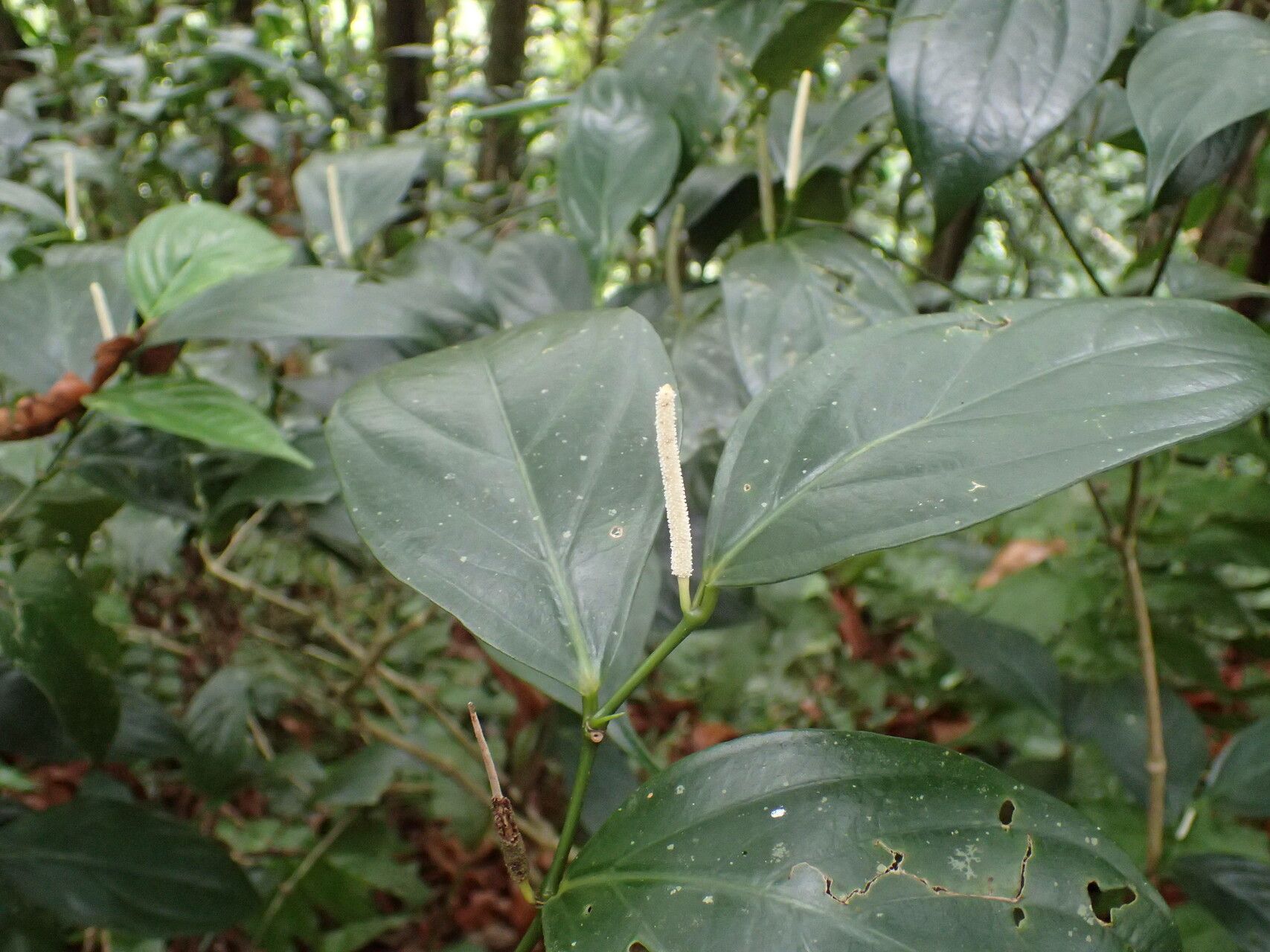
Unlocking the Secrets of Piper Aequale Propagation: A Guide to Growing this Tropical Beauty
The lush, vibrant world of tropical plants holds a special allure, and among them, the Piper aequale stands out. With its captivating heart-shaped leaves and intriguing peppery aroma, this South American native is a striking addition to any plant lover’s collection. But how do you go about propagating this exotic beauty and welcoming it into your home? Let’s unlock the secrets of Piper aequale propagation together.
Understanding the Plant:
Before diving into propagation, it’s crucial to understand the plant itself. Piper aequale, also known as the “Equator Pepper” despite not being a true pepper, thrives in warm, humid environments that mimic its natural rainforest habitat. Providing ample humidity, indirect sunlight, and well-draining soil are crucial for its well-being and propagation success.
Methods for Success:
Piper aequale propagation can be achieved through two primary methods:
1. Stem Cuttings:
- Timing is Key: Spring and early summer, when the plant is actively growing, offer the highest chances of success for this method.
- Making the Cut: Choose a healthy stem with at least two nodes (small bumps on the stem where leaves emerge). Make a clean cut just below a node using sharp, sterilized shears. Remove any leaves from the lower portion of the cutting.
- Rooting Hormone (Optional): While not mandatory, dipping the cut end in rooting hormone can encourage faster and more successful rooting.
- Planting the Cutting: Plant the cutting in a well-draining potting mix, ensuring the nodes are buried. A mix of peat moss, perlite, and vermicast provides an ideal balance of moisture retention and drainage.
- Creating the Ideal Environment: Humidity is crucial. Cover the pot with a clear plastic bag or use a humidity dome to trap moisture. Place the cutting in a warm, brightly lit area but out of direct sunlight.
- Patience is a Virtue: Rooting can take several weeks. Check for root development by gently tugging on the cutting; resistance indicates root formation. Once roots develop, gradually acclimate the cutting to normal humidity levels before transplanting.
2. Air Layering:
This method is slightly more advanced but can be highly effective for Piper aequale.
- Selecting the Branch: Choose a healthy, mature stem for air layering.
- Creating the Wound: Make a small upward cut about one-third of the way through the stem, just below a node. Insert a toothpick or small piece of sphagnum moss into the cut to prevent it from closing.
- The Moss Wrap: Encase the cut section in a moist ball of sphagnum moss, securing it with plastic wrap or aluminum foil.
- Patience and Monitoring: Keep the moss consistently moist and wait for roots to develop within the wrapped section. This can take several weeks.
- Separation and Potting: Once a good root system is visible through the plastic, cut the newly rooted section below the moss and pot it in a well-draining mix.
Troubleshooting Tips:
- Yellowing or Wilting Leaves: This could indicate overwatering or poor drainage. Adjust watering as needed and ensure the potting mix is well-draining.
- Leaf Drop: Sudden changes in temperature or light can stress the plant. Maintain consistent temperatures and provide bright, indirect light.
- Slow Growth: Check for pests or diseases. Ensure the plant is receiving adequate light and nutrients.
Propagating Piper aequale can be a rewarding experience for any plant enthusiast. By understanding its needs and following these propagation methods, you, too, can cultivate this tropical treasure and enjoy its unique beauty for years to come.