
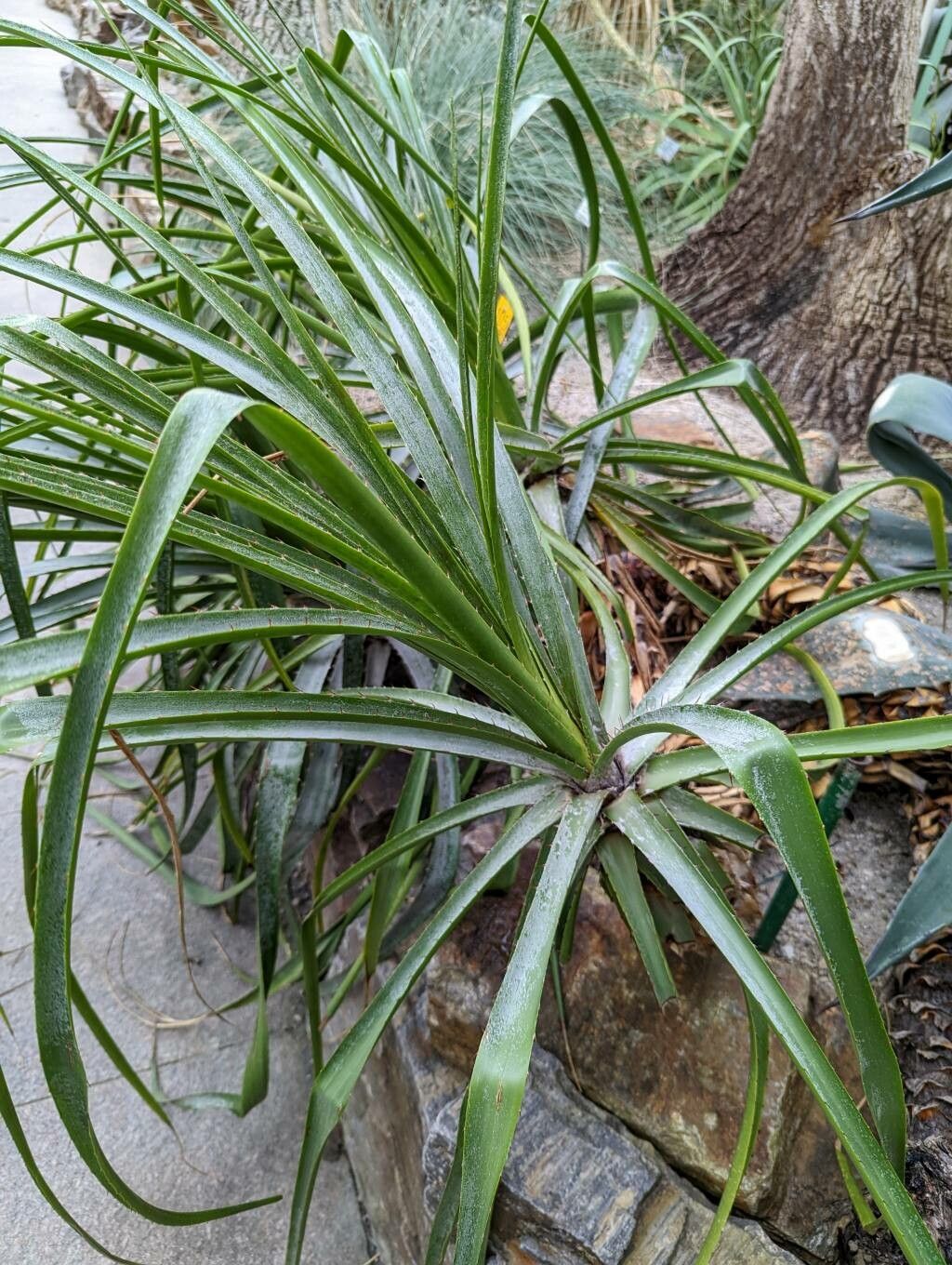
Propagating Puya parviflora: A Gardener’s Guide to a Challenging Bromeliad
Puya parviflora, commonly known as the small-flowered puya, is a striking bromeliad native to the high altitudes of the Andes Mountains. Characterized by its spiky, architectural foliage and charming, albeit small, flowers, it holds a special appeal for gardeners seeking unique and challenging plants. Its resilience to harsh conditions and the intriguing nature of its propagation make it a rewarding, though often difficult, subject for cultivation.
Seed Germination:
Currently, there are no known reliable methods for seed germination propagation of Puya parviflora. While seed production might occur in optimal conditions, germination rates are exceptionally low, and even then, seedlings are notoriously difficult to establish. The specific environmental requirements—likely including precise temperature and humidity control, and possibly specific mycorrhizal fungi—remain largely unknown. Further research is needed to explore the potential of seed germination for this species.
Cuttings:
Cuttings represent a more promising avenue for propagating Puya parviflora, although it’s still not a straightforward process.
Challenges: Rooting cuttings of Puya parviflora is notoriously challenging. Success rates tend to be low due to the plant’s susceptibility to rot. The difficulty lies in balancing humidity and preventing fungal infections.
Practical Tips: Take semi-hardwood cuttings from healthy, mature stems during the growing season. Use a sharp, sterile knife or blade to avoid damaging the tissues. Apply a rooting hormone to the cut end. Plant cuttings in a well-draining, sterile potting mix composed primarily of perlite and coarse sand. Maintain high humidity using a propagator or plastic bag, but ensure adequate ventilation to prevent fungal growth. Bottom heat can improve rooting success. Patience is key; rooting can take several months.
Rewards: Successfully rooted cuttings represent a clone of the parent plant, preserving its desirable characteristics. This method allows for faster multiplication compared to other propagation techniques if successful.
Division:
Division, separating offsets or "pups" that grow at the base of the mature plant, provides the most reliable method for propagation.
Challenges: Offsets are often slow to develop, limiting the number of plants propagated at any one time. Care must be taken during separation to avoid damaging the parent plant and the developing offsets. The offsets should be sufficiently developed with their own root system before separation.
Practical Tips: Carefully excavate the parent plant and gently tease apart the offsets, ensuring each has a healthy root system. Plant the separated offsets individually in well-draining soil and provide consistent watering. Avoid overwatering, which can lead to rot.
Rewards: This method yields faster results and higher success rates than cuttings and is the easiest of the available techniques. It’s also less technically demanding than tissue culture.
Tissue Culture:
Tissue culture offers the potential for large-scale propagation, but expertise and specialized equipment are required.
Challenges: Establishing aseptic conditions is crucial to prevent contamination, and specialized media and growth regulators are needed to induce shoot proliferation and root development. The techniques are complex and require specialized skills and equipment, making it unsuitable for the home gardener. Furthermore, research into optimal tissue culture protocols for Puya parviflora is limited.
Practical Tips: This method requires a laboratory setting with sterile equipment, culture media, and skilled personnel. There’s little information available readily for home cultivators.
Rewards: Tissue culture could potentially overcome the limitations of other propagation methods, allowing for rapid multiplication of genetically identical plants.
Conclusion:
Propagating Puya parviflora presents a unique challenge to even the experienced gardener. While seed germination appears unreliable, division offers the most readily achievable success. Cuttings provide an alternative, but require considerably more patience and care. Tissue culture, while potentially advantageous for large-scale propagation, is beyond the reach of most gardeners. The rewards, however, are considerable. Successfully cultivating this remarkable plant, after overcoming the various hurdles, offers a deep sense of accomplishment and a testament to patience and horticultural skill. For aspiring propagators, starting with division and mastering the art of preventing rot will be essential steps towards success. Don’t be discouraged by initial setbacks; the beauty and unique nature of Puya parviflora make the effort worthwhile.