
Seeding Success: A Simple Guide to Propagating Wild Pansy (Viola arvensis)
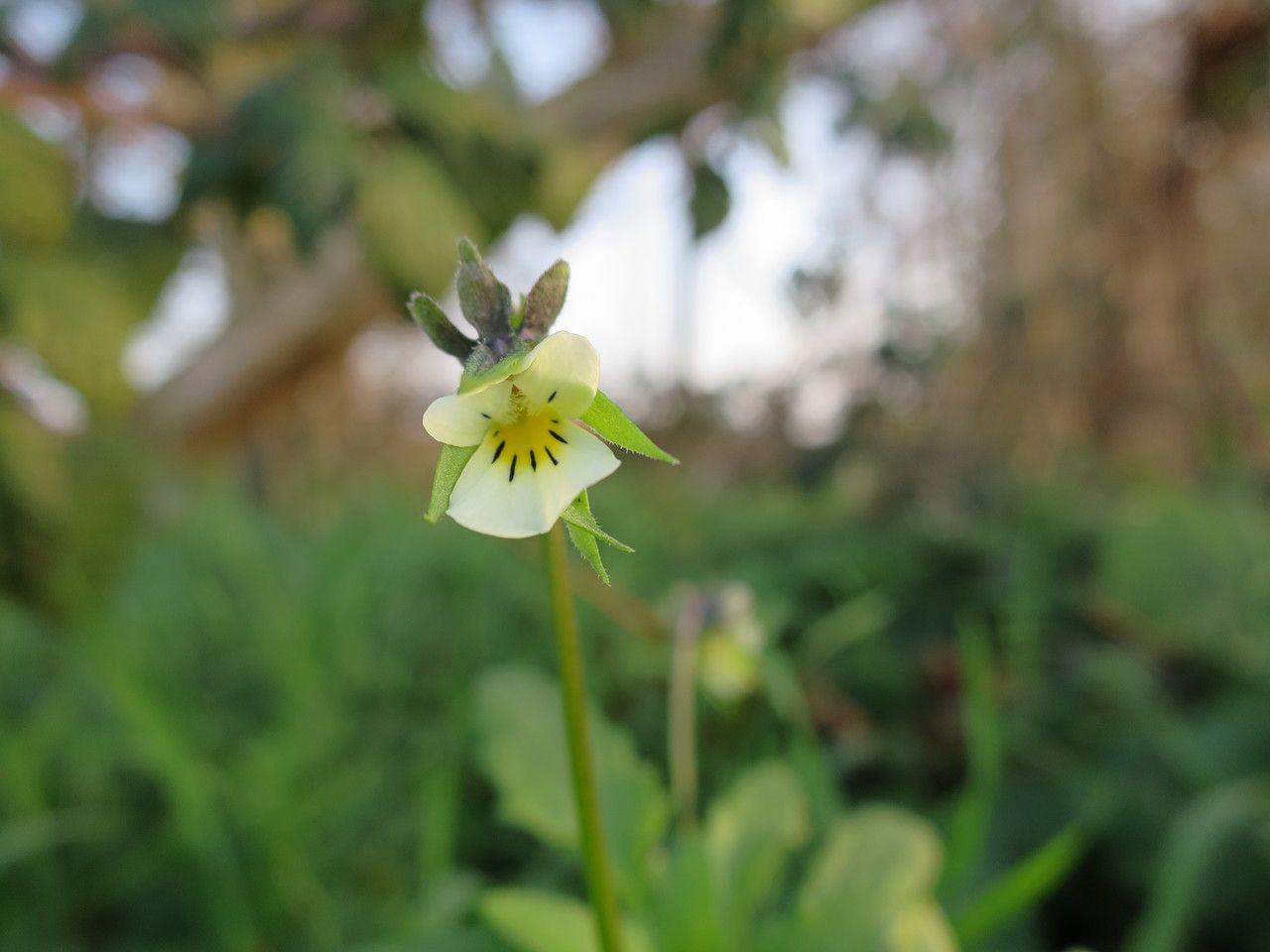
Wild pansy, also known by its scientific name Viola arvensis, is a charming annual that graces fields and meadows with its delicate, cheerful blooms. While often considered a wildflower, this hardy plant can be easily cultivated at home, bringing a touch of rustic charm to your garden. If you’re interested in growing your own wild pansies, propagation through seeds is the way to go.
This simple guide will walk you through the process of collecting and sowing wild pansy seeds, ensuring a flourishing patch of these charming blooms:
1. Identifying and Collecting Seeds:
Wild pansy typically blooms in spring and continues until early autumn. The flowers, which range in color from white and yellow to pale blue and violet, are followed by small, green seed pods. Once the flowers fade and the pods turn brown and brittle, it’s time to gather your seeds.
- Timing is key: Collect the seed pods on a dry day, ideally in the afternoon when the dew has evaporated.
- Gentle extraction: Carefully open the pods over a container, releasing the tiny, brown seeds.
2. Storing Your Bounty:
Wild pansy seeds can be sown immediately after collection or stored for the following season.
- Short-term storage: Keep the seeds in a cool, dry place until you’re ready to sow them. A paper envelope or bag works well.
- Long-term storage: For optimal germination rates, store seeds in an airtight container in a cool, dark, and dry place like a refrigerator.
3. Sowing Wild Pansy Seeds:
Wild pansies thrive in well-drained soil and sunny or partially shaded locations. They’re adaptable and don’t require highly fertile soil, making them a low-maintenance addition to your garden.
Direct Sowing (Spring):
- Prepare the bed: Once the risk of frost has passed, loosen the soil and remove any weeds.
- Sowing: Scatter the seeds over the soil surface. Wild pansy seeds need light to germinate, so don’t bury them.
- Water gently: Lightly water the seeds, being careful not to dislodge them.
Direct Sowing (Autumn):
- Timing is crucial: Sow seeds approximately 6-8 weeks before the first frost. This allows enough time for seedlings to establish before winter.
- Follow spring sowing guidelines: Apply the same preparation and sowing techniques as above.
Starting Seeds Indoors:
- Get a head start: Begin sowing seeds indoors 6-8 weeks before the last expected frost.
- Use seed trays: Fill trays with a well-draining seed starting mix.
- Sowing depth: Lightly press the seeds onto the surface of the mix but do not cover them.
- Moisture and light: Keep the soil consistently moist and provide ample bright, indirect light.
- Transplanting: Once the seedlings have developed a couple of true leaves and the risk of frost has passed, harden them off before transplanting them outdoors.
4. Nurturing Your Wild Pansies:
Wild pansies are relatively low-maintenance plants. However, a little care goes a long way:
- Watering: Water seedlings and young plants regularly, keeping the soil moist but not waterlogged. Once established, wild pansies are quite drought-tolerant.
- Fertilizing: These resilient plants don’t require heavy feeding. However, a light application of balanced fertilizer in spring can encourage healthy growth and blooming.
By following these simple steps, you can successfully propagate wild pansies and create a captivating display of these charming wildflowers in your own garden. Happy growing!