
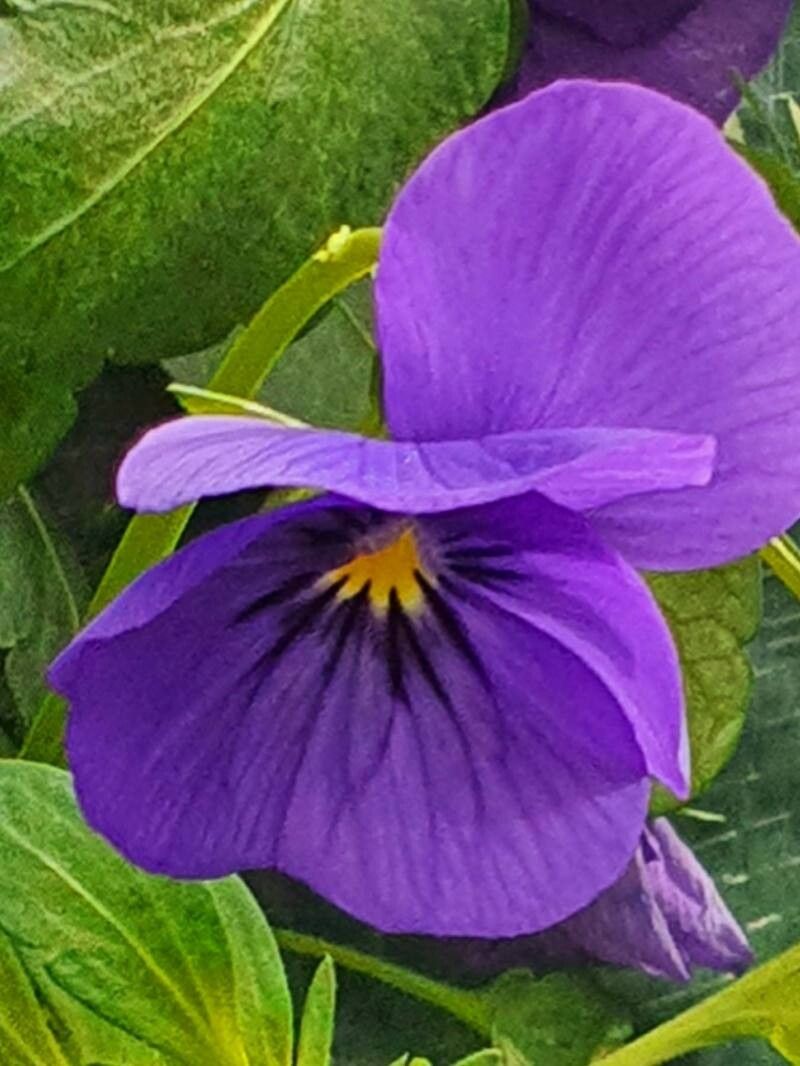
Propagating Viola dacica: A Gardener’s Guide to the Romanian Violet
Introduction:
Viola dacica, commonly known as the Romanian violet, is a captivating alpine plant prized for its delicate, often intensely violet-blue flowers and attractive heart-shaped leaves. Its compact habit and tolerance of shade make it a desirable addition to rock gardens, woodland borders, and even containers. While not as widely cultivated as some other Viola species, its unique charm and relative rarity have boosted its popularity among keen gardeners seeking something a bit more unusual. The propagation of Viola dacica presents certain challenges, making successful cultivation all the more rewarding.
Seed Germination:
Currently, there are no known reliable methods for seed germination propagation of Viola dacica. While the plant produces seeds, their germination rate is reportedly very low, and successful germination under controlled conditions has not been widely documented. Further research into specific germination requirements, such as light exposure, temperature, and stratification techniques, is needed.
Cuttings:
Propagating Viola dacica from cuttings is a more promising approach than seed germination.
Challenges: One challenge is the relatively low rooting success rate. The cuttings are prone to rotting if not handled carefully.
Practical Tips: Softwood cuttings taken in spring or early summer, after the flowering period, tend to produce the best results. Use a sharp knife or shears to take cuttings approximately 5-7 cm long, removing lower leaves to prevent rotting. Dip the cut ends in a rooting hormone powder before planting them in a well-draining, sterile propagation mix (e.g., peat moss and perlite). Maintain high humidity using a propagator or by covering the cuttings with a plastic bag. Ensure that the cuttings are kept at a consistent temperature, ideally around 15-20°C (60-68°F).
Rewards: This method offers a relatively quick way to increase the number of plants, preserving the exact genetic characteristics of the mother plant.
Division:
Division presents another viable propagation technique for Viola dacica.
Challenges: This method is best suited for slightly older, well-established plants with well-developed root systems. Care must be taken during the division process to avoid damaging the delicate roots, which can significantly impact the plant’s survival.
Practical Tips: It’s best to divide Viola dacica in spring or autumn when the plant is actively growing or entering a period of dormancy. Gently dig up the plant, carefully separate the root crown into smaller sections, each with several growing points and healthy roots. Replant each division in well-prepared soil, ensuring adequate spacing. Water thoroughly after planting.
Rewards: Division offers a straightforward and relatively easy method to multiply established plants. It’s comparatively quick and provides a high success rate compared to other techniques.
Tissue Culture:
Tissue culture is a technically advanced propagation method, which although potentially highly effective for Viola dacica, is not readily accessible to the home gardener.
Challenges: This method necessitates specialized equipment, sterile conditions, and expertise in plant tissue culture techniques.
Practical Tips: Laboratories specializing in plant propagation may be capable of achieving successful propagation via tissue culture, but this would entail considerable cost and specialist knowledge.
Rewards: Tissue culture permits large-scale propagation while maintaining genetic uniformity and facilitating the production of disease-free plants.
Conclusion:
Propagating Viola dacica presents unique challenges compared to many commonly cultivated garden plants. Seed germination currently appears unreliable, while cuttings and division offer more realistic options for the home gardener, with division providing the higher success rate. Tissue culture remains a highly efficient but specialized method. The rewards, however, are substantial: the satisfaction of successfully cultivating this beautiful and rather rare alpine plant justifies the efforts required. For aspiring propagators, starting with division of an established plant and gradually moving to cuttings offers a practical learning path. Patience, attention to detail, and a willingness to experiment are key to achieving success with this captivating Romanian violet.