Winter Sowing for a Bountiful Spring Garden: No Transplanting Needed!

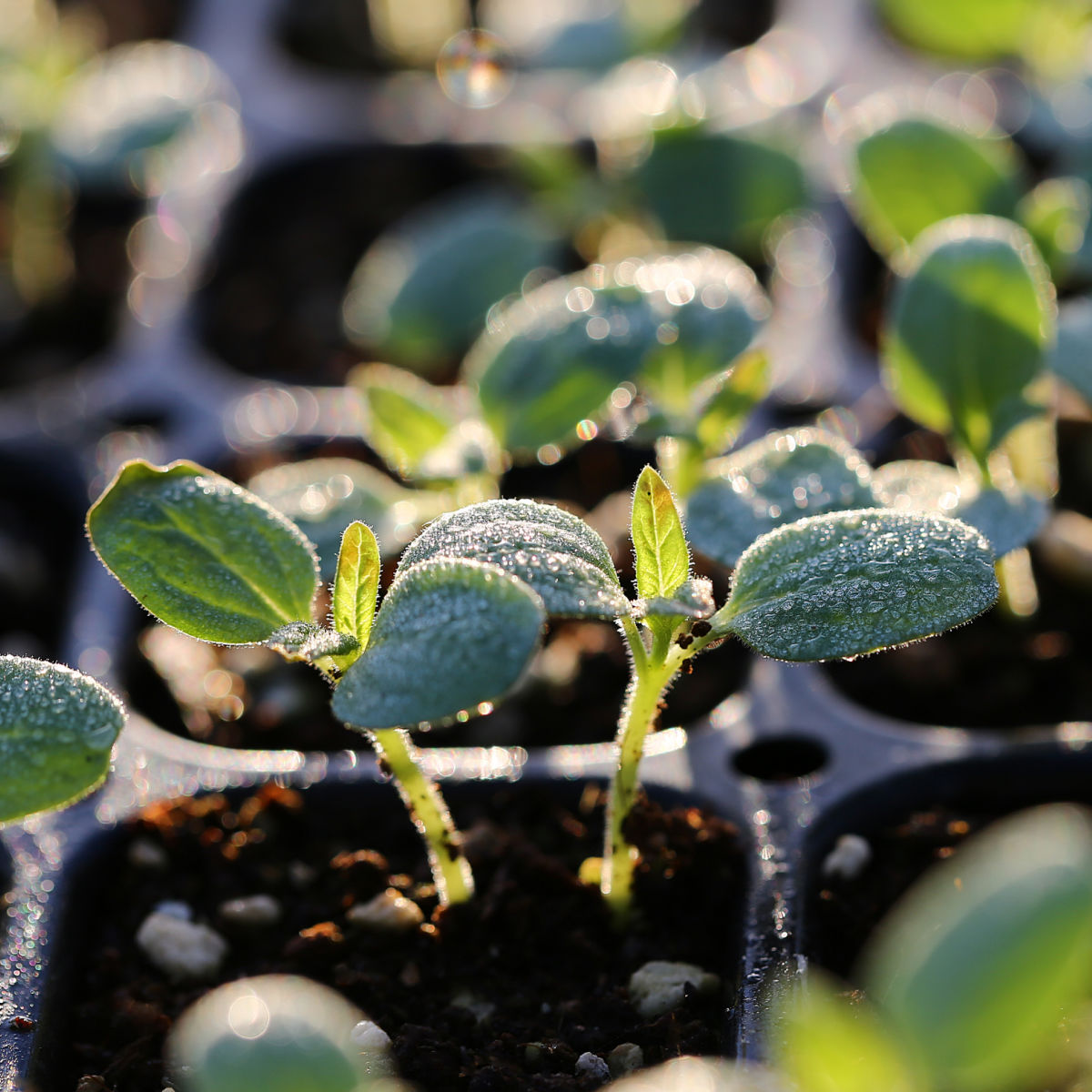
The wind howls a mournful song, but a secret hope stirs beneath the snow. I scatter poppy seeds, fragile promises on the frozen earth. Each tiny speck holds the dream of silken petals, a defiant burst of color against the monochrome winter. Rain lashes down, pressing the seeds into the soil, a silent, brutal baptism. Doubt whispers, a chilling draft that threatens to extinguish the fragile spark of possibility. Will they survive this icy ordeal? But patience, a gardener’s truest virtue, becomes my cloak. Then, a miracle: emerald shoots pierce the thawing ground, tiny flags of victory unfurling in the spring breeze.

Seed Starting Success: Avoid These 19 Common Mistakes!

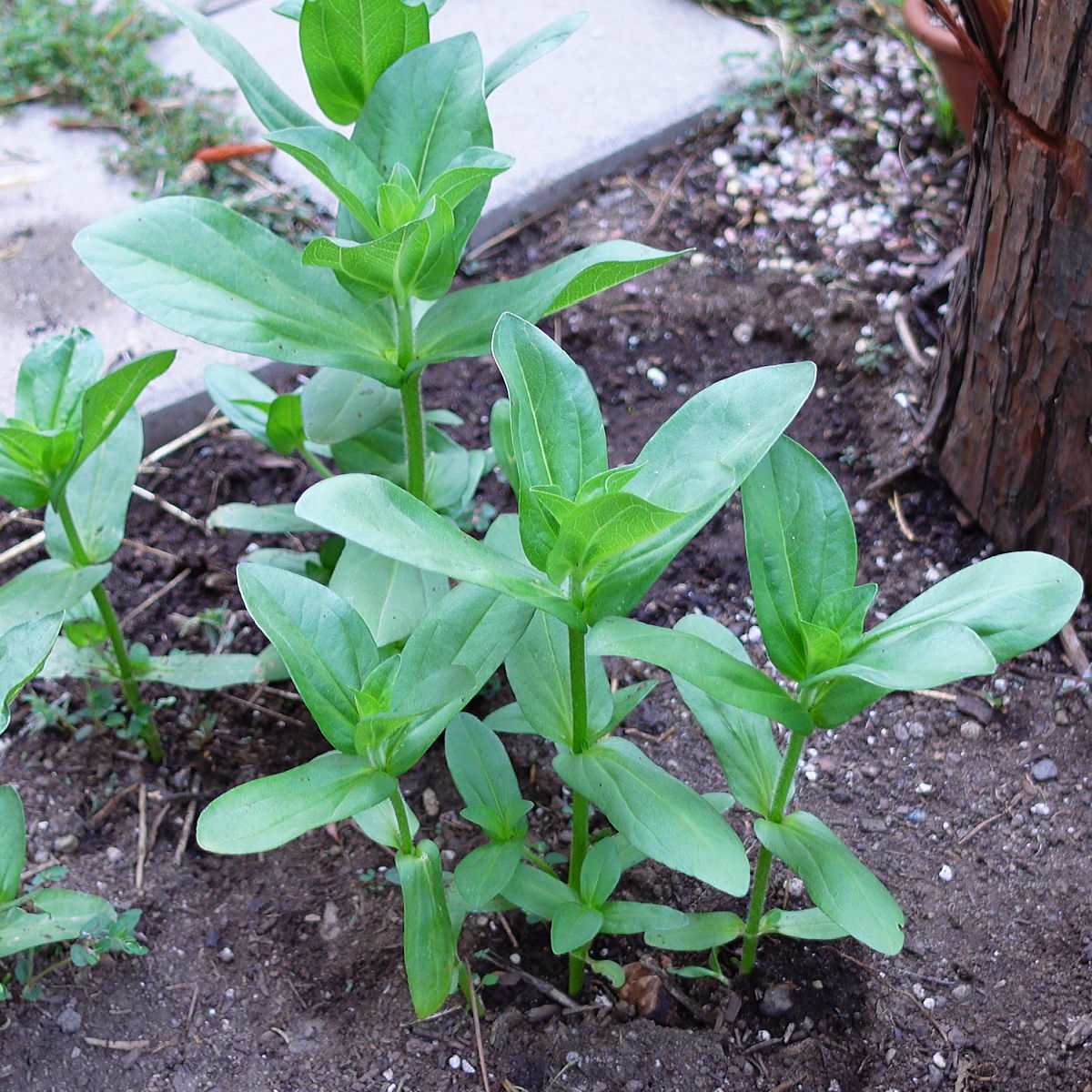
The first seed catalogs arrive, thick as winter coats, promising summer in every glossy page. Excitement blooms, a feverish impatience to bury tiny hopes beneath the soil. But wait! The last frost date looms, a stern parent reminding us that enthusiasm must be tempered with wisdom. Over-eager sprouts, leggy and pale, reach for a sun they can’t yet touch. They yearn for the warmth of the earth, a longing born too soon. Patience, little seeds, patience. The earth will be ready. The sun will call your name. And that, that is pure magic.

12 Must-Propagate Perennials: Effortless Cuttings to Multiply Your Garden (May Guide)

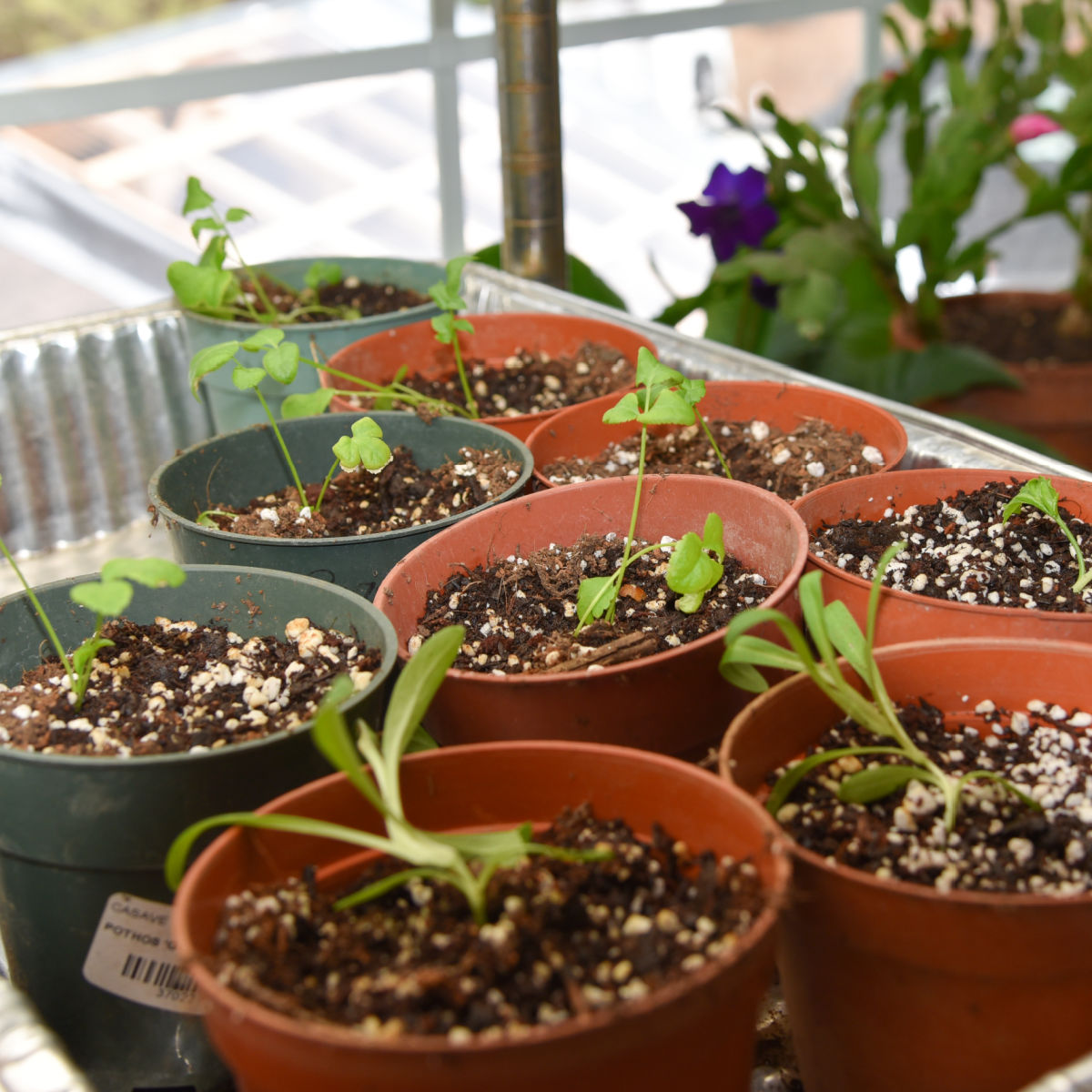
The clematis, a vine of whispering dreams, proves a demanding muse. Unlike its brethren, it refuses to root from the node’s promise, preferring the silent spaces in between. I slice, coaxing life from the slender stem, the clean scent a fragile hope. Rooting hormone, a powdery blessing, dusts the wound. Each day, I mist, a ritual of patience, watching for the faintest green blush, a signal that the stubborn magic is finally taking hold. When it roots, it is like a love poem scrawled in green, a testament to perseverance and faith in the unseen architecture of life.

A Century of Progress with Vegetative Plant Propagation

A Century of Progress with Vegetative Plant Propagation

From glass terrariums to micropropagation labs, the last hundred years have reshaped vegetative plant propagation. Advances in sanitation, mist systems, hormones, and tissue culture enabled reliable clonal plant production on a global scale.

Hildebrandt’s Medium (1944)

The year is 1944. In a Wisconsin laboratory, a revolutionary concoction simmers – Hildebrandt’s medium. Not a bespoke elixir for a single plant, but a valiant attempt at a universal nutrient broth, a foundational step towards coaxing life from a sliver of tissue. Its creators, Hildebrandt, Riker, and Duggar, dreamt of a single recipe to unlock the mysteries of plant growth, hoping to leapfrog the limitations of existing, species-specific formulations. The scent of burgeoning hope hangs heavy in the air, a hopeful promise of a future where plant propagation is unlocked, a future where this simple recipe could form the bedrock of countless others to come.

Robbins’ Medium

Robbins’ medium, a precursor to today’s widely used formulations, whispers of a bygone era in plant tissue culture. Developed by William J. Robbins in the mid-20th century, its tailored approach, unlike the broad-spectrum MS medium that followed, reflected the nascent understanding of plant nutritional needs in vitro. Though its specific formulation remains somewhat fluid, adapted to the whims of individual plant species, Robbins’ legacy endures in its ability to coax growth from recalcitrant specimens, a testament to its pioneering spirit and enduring effectiveness in niche applications. Even now, its subtle power finds purchase where other media fail, a silent echo in the laboratories of today.

Gautheret’s Medium

The faint scent of agar still clung to the lab bench, a ghost of Roger Gautheret’s pioneering work. His medium, a careful alchemy of salts, vitamins, and the barely understood magic of hormones, coaxed life from recalcitrant woody stems. In the 1940s, this meticulously defined broth defied the limitations of undefined extracts, marking a critical step towards mastering the art of in vitro plant propagation. Each carefully measured crystal, a testament to his dedication, paved the way for the flourishing field of plant biotechnology we know today.

SB Medium (Somatic Embryogenesis)

The alchemy of plant life unfolded in a petri dish. Not a single “SB Medium,” but a family of formulations, each a carefully tuned symphony of nutrients and plant growth regulators. From Murashige and Skoog’s foundational work, a legacy of experimentation bloomed. Auxins coaxed somatic cells into a nascent callus, a swirling mass of potential. Then, a delicate shift in the balance—a whisper of cytokinins, perhaps a touch of abscisic acid—guided the emergence of somatic embryos, tiny replicas of life itself, poised to regenerate whole plants. Each species, a unique score demanding individual interpretation.