Unveiling the Magic: Propagating Anthuriums Through Tissue Culture

Unveiling the Magic - Propagating Anthuriums Through Tissue Culture

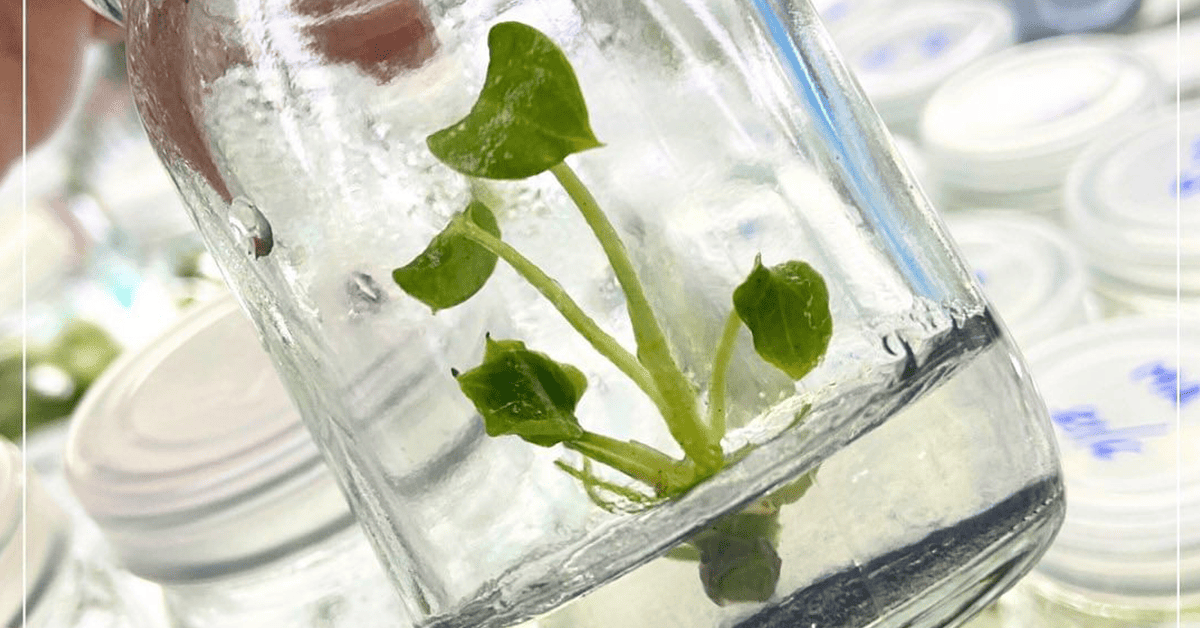
Anthuriums, with their captivating flowers and glossy leaves, are stars of the indoor plant world. But have you ever wondered how nurseries cultivate such an abundance of these tropical beauties? The answer lies in a specialized technique called tissue culture. This article explores the world of tissue culture propagation for anthuriums, guiding you through the process and its advantages.

Propagating Pothos: From Humble Cuttings to Lush Greenery

Propagating Pothos: From Humble Cuttings to Lush Greenery

The pothos (Epipremnum aureum) is a beloved houseplant known for its lush foliage and forgiving nature. But did you know you can easily multiply your existing pothos into a whole new generation of cascading vines? This article explores propagating pothos from stem cuttings, guiding you through both water and soil propagation methods. With a little patience and these simple steps, you’ll be a pothos-propagating pro in no time!

Propagating Corymbia citriodora ‘Scentuous’ Through Grafting

Propagating Corymbia citriodora 'Scentuous' Through Grafting

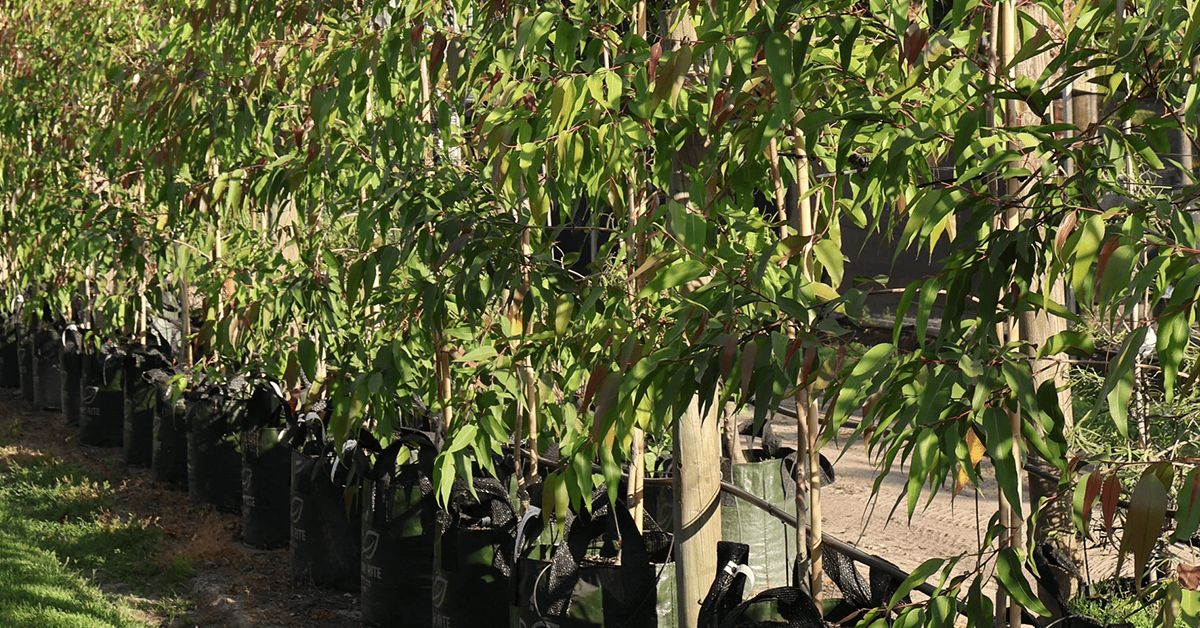
The Corymbia citriodora ‘Scentuous,’ a captivating dwarf version of the lemon-scented gum, is prized for its manageable size and delightful fragrance. However, unlike many plants, ‘Scentuous’ isn’t propagated through stem cuttings or division. This article delves into the fascinating technique of grafting, the secret behind multiplying these lovely trees.

Gibberellic Acid‑Priming Promotes Fluoride Tolerance in a SusceptibleIndica Rice Cultivar by Regulating the Antioxidant and PhytohormoneHomeostasis

Gibberellic Acid‑Priming Promotes Fluoride Tolerance in a SusceptibleIndica Rice Cultivar by Regulating the Antioxidant and PhytohormoneHomeostasis

Excessive utilization of groundwater for anthropogenic purposes has led to severe depletion of the water table, resulting in
contamination of fluorides from the mineral bed. Irrigation of rice seedlings with such fluoride-infested water leads to high
fluoride bioaccumulation and compromised growth physiology. In the present study, we showed that the priming of seeds
with gibberellic acid 3 (GA) alleviated prolonged fluoride-induced toxicity in the fluoride-susceptible indica rice cultivar,
IR-64 (grown in soil) by reducing the accumulation of the xenobiotic within the seedling biomass. The primed seeds showed
improved percentage of germination during fluoride stress compared to the non-primed seeds. The stressed seedlings grown
from the GA-primed seeds exhibited increased endogenous accumulation of GA and the auxin, indole-3-acetic acid which
stimulated shoot and root growth and relative water content, compared to the stressed seedlings germinated from the nonprimed
seeds. GA-priming reduced the chlorophyll degradation, affected the homeostasis of the accessory pigments and
lowered the electrolyte leakage during stress. Upon GA-priming, the fluoride-induced oxidative stress was ameliorated by
an increase in proline, anthocyanin, flavonoid and total phenolic contents, reducing power, total antioxidant capacity and
DPPH-radical scavenging activity. The altered activity of the antioxidative enzymes like catalase, ascorbate peroxidase and
guaiacol peroxidase also enabled efficient H2O2
scavenging in the stressed plants germinated from the primed seeds. Thus,
seed pre-treatment with GA promoted fluoride tolerance by activating the antioxidant machinery and elevating the endogenous
level of the two most important classes of plant growth regulators, gibberellic acid and auxin.

Linsmaier and Skoog (LS) Media

Linsmaier and Skoog (LS) Media - Tobacco Tissue Culture

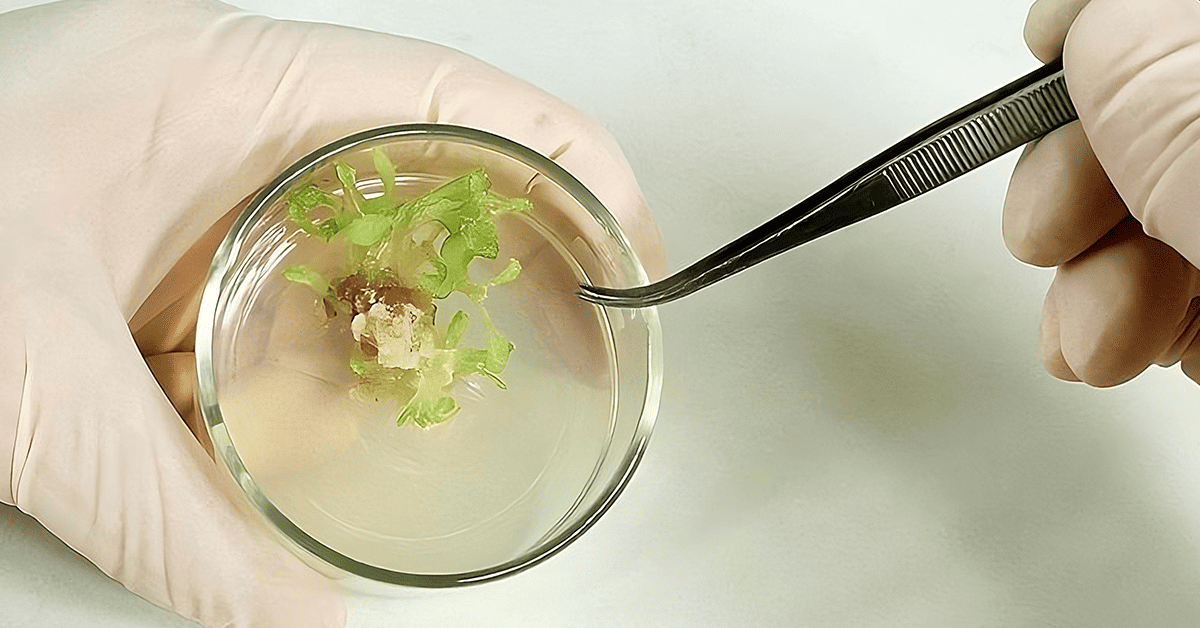
Linsmaier and Skoog (LS) Media is a versatile plant growth medium known for its effectiveness in various plant tissue culture applications, including micropropagation, organ culture, and callus culture. It provides an optimized nutrient profile, particularly beneficial for tobacco cultures.

Plant Tissue Culture : A Promising Tool Of Quality Material Production With Special Reference To Micropropagation Of Banana

In the very fast developing scenario of biological science, the plant tissue culture has taken lead as the most
promising areas of application of biotechnological tools for today and tomorrow agriculture. The areas ranges from
micropropagation of horticultural crops, ornamental and forest trees etc., production of pharmaceutically important compounds,
and plant breeding for improved nutritional value of staple crop plants, including trees for cryopreservation of valuable germplasm.
The rapid production of high quality, disease free and uniform planting stock is only possible through micropropagation. Plant
production can be carried out throughout the year irrespective of season and weather. However micropropagation technology is
expensive as compared to conventional methods of propagation by means of seed, cuttings and grafting etc. Therefore, it is
essential to adopt measures to reduce cost of production. Low cost production of plants requires cost effective practices and
optimal use of equipment to reduce the unit cost of plant production. It can be achieved by improving the process efficiency and
better utilization of resources. Use of ‘Bioreactor’ in plant propagation can increase the speed of multiplication and growth of
cultures and reduce space, energy and labor requirements. The cost of production may also be reduced by selecting several
plants that provide the option for around the year production and allow cost flow and optimal use of equipment and resources.
Quality control is also very essential to assure high quality plant production and to obtain confidence of the consumers. The
selection of explant source, diseases free material, authenticity of variety and elimination of somaclonal variants are some of the
most critical parameters for ensuring the quality of the planting materials. The in vitro culture has a unique role in sustainable
and competitive agriculture, forestry and pharmaceutical industry and has been successfully applied in plant breeding for rapid
introduction of improved plants. Plant tissue culture has become an integral part of plant breeding. At present plant cell culture
has made great advances. Possibly the most significant role that plant cell culture has to play in the future will be in its
association with transgenic plants. The ability to accelerate the conventional multiplication rate can be of great benefit to many
crops/countries where a disease or some climatic disaster wipes out crops. The loss of genetic resources is a common story
when germplasm is held in field gene banks. In vitro storage using plant tissue culture tools and cryopreservation are being
proposed as solutions to the problems inherent in field gene banks. By these means the future generations will be able to have
access to genetic resources for simple conventional breeding programmes, or for the more complex genetic transformation
work. As such, plant tissue culture has a great role to play in agricultural development and productivity. In this review,
important steps of plant tissue culture, its critical precautionary points and commercial applications have been discussed.
As Banana is an important food crop and the second most important fruit crop after mango, a special account has been taken into
consideration to also put on record the steps involved in successful micropropagation of it. Despite the significant commercial
value of the banana crop, the main production constraint is the availability of reliable and safe planting material. The planting
materials obtained through conventional methods (suckers) do not meet the increasing demand for planting and they are of poor
quality. Tissue culture is the approach which can solve these problems. Micropropagation of the planting material is also facing
the different challenges which need to be addressed in order to improve its quality production. Some of the problems which
impair the success of the crop include oxidative browning of the wounded tissues and low number of shoots produce per explant.
This review includes the micropropagation studies of commercially important cultivars of banana in the country, highlights the
challenges encountered in its tissue culture and explores the possibilities of optimization of the in vitro propagation techniques
by using explants from shoot tip.

Banana Plantlet Production Through Tissue Cutlure

BANANA PLANTLET PRODUCTION THROUGHTISSUE CULTURE

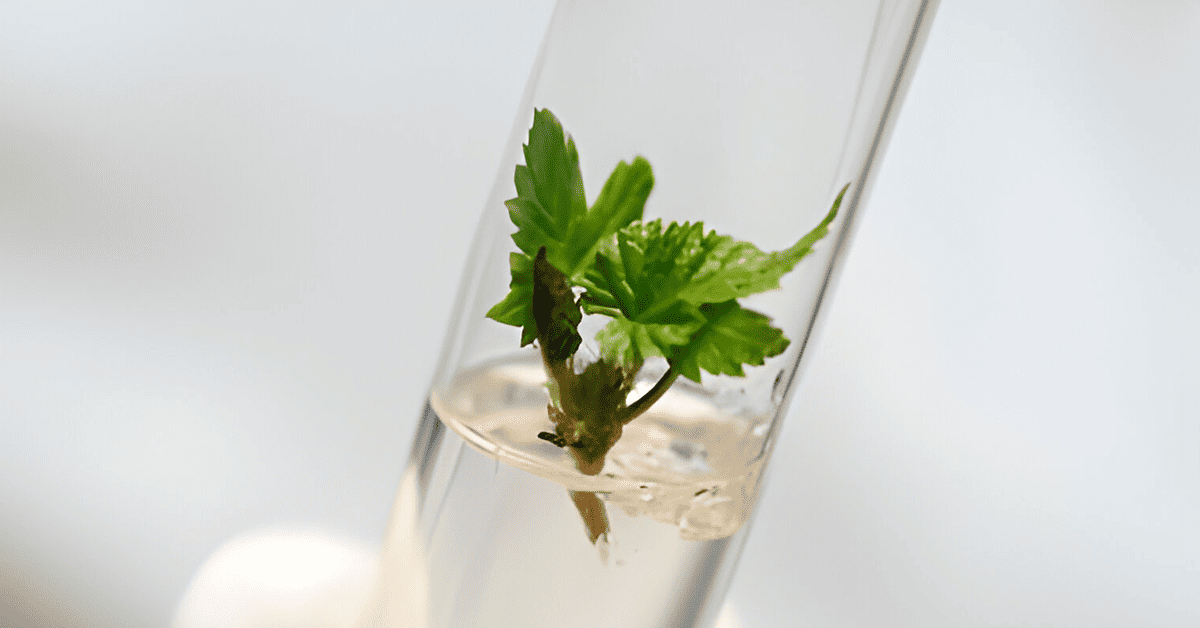
In vitro multiplication of banana (Musa spp.) cv. Basrai was studied. Shoot tips were cultured on Murashige & Skoog basal medium supplemented with 5.0 mg/l BAP. Observations were recorded at an interval of four weeks for five subculturings. Evaluations were done at each subculture by counting the number of new shoots produced. Shoot tips coming from different rhizomes behaved differently under in vitro conditions. Some being highly productive while others produced less number of shoots. On the average, 124 plants were produced from each shoot tip after five subculturing.

History of plant tissue culture: Trevor A. Thorpe

Abstract Plant tissue culture, or the aseptic culture of cells, tissues, organs, and their components under defined physical and chemical conditions in vitro, is an important tool in both basic and applied studies as well as in com- mercial application. It owes its origin to the ideas of the German scientist, Haberlandt, at the begining of the 20th century. The early studies led to root cultures, embryo cul- tures, and the first true callus/tissue cultures. The period between the 1940s and the 1960s was marked by the devel- opment of new techniques and the improvement of those that were already in use. It was the availability of these tech- niques that led to the application of tissue culture to five broad areas, namely, cell behavior (including cytology, nutrition, metabolism, morphogenesis, embryogenesis, and pathology), plant modification and improvement, pathogen- free plants and germplasm storage, clonal propagation, and product (mainly secondary metabolite) formation, starting in the mid-1960s. The 1990s saw continued expansion in the application of the in vitro technologies to an increasing number of plant species. Cell cultures have remained an important tool in the study of basic areas of plant biology and biochemistry and have assumed major significance in studies in molecular biology and agricultural biotechnology. The historical development of these in vitro technologies and their applications are the focus of this chapter.